A University at Albany study confirms a 90% reduction in metal pollution in Adirondack lakes since the Clean Air Act, using sediment core data to track environmental recovery across five decades.
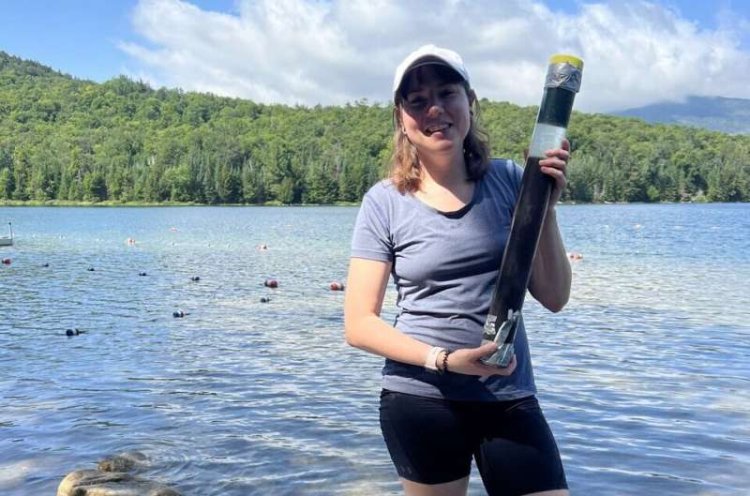
A new study by researchers at University at Albany verified more than a 90% reduction in metal contamination in the surface waters of the Adirondack Park area, indicating significant environmental progress since the U.S. Clean Air Act was passed. Signed into law in 1963 and reaffirmed by amendments in subsequent years, the Act was designed to reduce air pollution nationwide. The Adirondack Park, which had long been damaged by acid rain and air pollution, became a hub for tracking recovery.
Scientists compared sediment core samples from four Adirondack ponds and paired them with past information to measure how metal concentrations had changed over time. Sediment cores, which are essentially environmental histories on lake bottoms, contained thousands of years' worth of record. The results, published in the scientific journal Environmental Pollution, are the first recorded evidence that surface water in the area has made widespread recoveries from legacy metal pollution such as lead, copper, and zinc.
The methodology of the study included the choice of lake sites on the basis of accessibility, hydrological similarity, and diverse land use histories, including logging and fire history. These were used to enable the researchers to control human activities and environmental recovery patterns. This enabled improved comparison among ecosystems with control over natural and anthropogenic variables.
This decline in metal contamination was largely a result of phasing enforcement of the Clean Air Act and amendments between 1970 and 1990. These controls were the cause of declining industrial emissions that were causing atmospheric deposition of toxic metals onto watersheds and lakes. The study also suggested that recovery extent and recovery rate were conditioned by local watershed attributes, proximity to pollution, and dominant wind regimes carrying the pollutants.
By examining the layers of sediment, scientists were able to determine pre-industrial baseline conditions. This manner allowed the extent to which metal pollution increased during the industrial period and subsequently decreased after the environment was regulated to be quantified. Overall results indicated dramatic recovery, but differences in sediment core data depicted how every lake responded differently due to its specific ecological and geographic condition.
The research was led by doctoral student Skylar Hooler, along with assistant professor Aubrey Hillman of UAlbany's Department of Atmospheric and Environmental Sciences. Hillman serves as a co-director of UAlbany's Paleoclimate Lab in the ETEC complex, which seeks to investigate natural materials like lake sediment in an effort to reconstruct environmental change. Additional members of the broader research team included Sumar Hart, another graduate researcher, and University of Florida's William Kenney.
Even though this project is complete, further research in the Adirondack area continues. Present studies involve research into microplastics and larger ecological changes like regime shifts. Regime shifts are when ecosystems make significant changes as a result of stressors like pollution, climate change, or human intervention. The following research is aimed at nutrient cycling, levels of productivity, and overall ecological well-being in these lake systems over the last centuries.
This metal pollution study is one of the expanding pool of data demonstrating that acts like the Clean Air Act can lead to genuine long-term environmental benefits. It underlines the importance of sustained monitoring of the environment and the value of scientific research in informing policy development in the future. With more than 90% of metal contaminants eliminated, the Adirondack Park serves as a model to be emulated regarding restoration of the environment through legislation backed by scientific research.
Source/Credits:
University at Albany / Environmental Pollution / Phys.org
What's Your Reaction?