German environmental organisation DUH has urged the federal government to fully electrify the country’s rail network by 2035 to reduce diesel dependence and transport emissions.
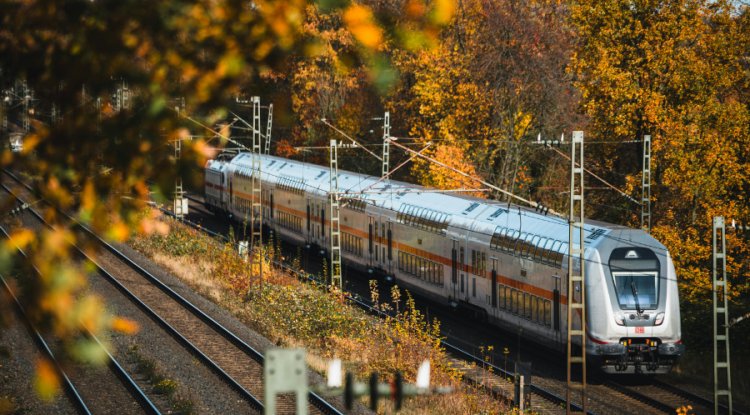
German environmental NGO Deutsche Umwelthilfe (DUH) urged the federal government to electrify the country's entire railway network of the country by 2035 due to the continued use of diesel-powered trains throughout much of its route networks.
According to DUH, around 62.5% of Germany's railway network is electrified. However, other parts of the network remain reliant on diesel engines. According to the organisation, diesel operations on railways used up more than 340,000 tonnes of diesel fuel last year alone.
The NGO urged the government and Transport Minister Volker Schneider to develop a strategy to electrify German railways, including financial resources for infrastructure development.
In addition, DUH urged the authorities to accelerate work on the installation of overhead power lines throughout passenger and freight routes. The organisation believes that increased electrification may have some impact on capacity and rail traffic.
Jürgen Resch, CEO of DUH, says that diesel trains lead to the emission of particulates and nitrogen oxides, particularly near railway stations. He claims that no alternative fuel will fully replace the role of electrified railways.
Ten rail routes were earmarked by the organisation for electrification priority. They include the Dresden-Görlitz-Horka route, Münster-Gronau, Lake Constance Belt Railway, and Nahe Valley Railway.
The DUH highlighted several cross-border rail lines as being in need of infrastructural improvements due to gaps along the rail lines. According to the organisation, the Dresden-Görlitz-Horka route is an example where the railway infrastructure on the Polish side is electrified but still relies on diesel in Germany.
Environmental activists and transport experts have criticised Germany for moving slowly in the area of railway electrification. Some non-governmental organisations and think tanks have argued that the process has moved relatively slowly compared to transport goals.
The VDE Power Engineering Society highlighted figures indicating that about 40% of the rail network in Germany was operating either by diesel or hybrid means.
The country has been trying to promote rail travel in place of road transport in order to cut back on greenhouse gases from the transport industry. The transport industry contributes the highest amount of greenhouse gases.
What's Your Reaction?