Global Freshwater Loss Reaches Unprecedented Levels, Study Warns
Global freshwater loss has reached unprecedented levels since 2002 due to climate change, unsustainable groundwater extraction, and extreme droughts. A new study highlights expanding mega-drying regions, with groundwater depletion driving more sea level rise than glaciers.
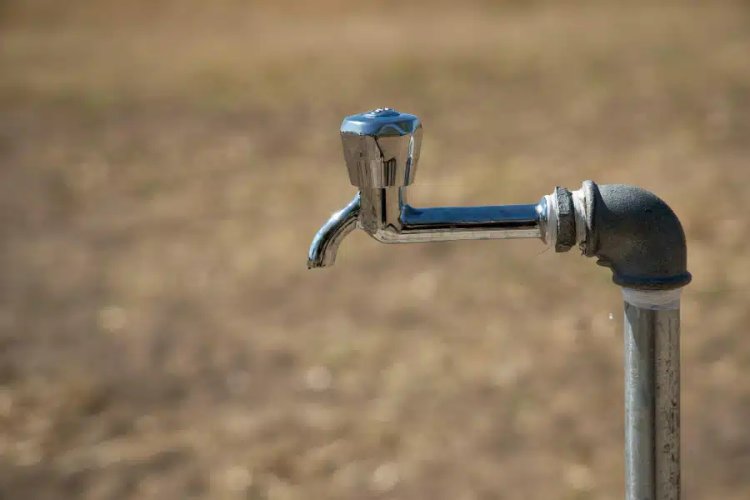
According to recent scientific study, climate change, improper groundwater usage, and severe droughts have caused hitherto unheard-of freshwater loss since 2002 on Earth. Based on more than two decades of satellite data, the results show that four large continental-scale drying areas have developed in the northern hemisphere, which is a crucial turning point for the world's water cycle.
Published in the journal Science Advances, the study pinpoints these mega-drying regions as Alaska and northern Canada, northern Russia, sections of Eurasia across the Middle East, North Africa, and broad swath, and southwestern North and Central America. The rate and scope of change are highlighted by the area impacted which almost doubles in size to California annually. Scientists caution that the current pace of drying exceeds that of wet areas becoming wetter, therefore endangering water availability for billions of people.
According to data, 101 nations whose freshwater has been steadily declining for the past 22 years are home to about 75% of the world's population. Perhaps most alarmingly, 68% of this loss of earthly water comes from groundwater depletion. A crucial source of drinking water, agricultural irrigation, and industrial usage, groundwater is being withdrawn at a rate greater than replenishment and is responsible for more global sea level rise than all glaciers and ice caps combined.
This scenario is what researchers say is among the most serious warnings yet about how climate change would affect our water resources. Global food and water security face major hazards from rising sea level, drying of whole continents, and dwindling freshwater supplies as well as accelerated sea level rise. Often without sufficient control or sustainable management, overuse of groundwater can cause problems in areas that are already at risk for drought, severe weather, and the failure of agriculture.
The research also reveals a significant change in water cycle dynamics about 2014–2015, which corresponds with a strong El Nio occurrence. During this time, climate extremes accelerated, and droughts got worse in the northern hemisphere. Although the southern hemisphere has historically borne the brunt of catastrophic droughts, the pattern has changed northwards in recent years to impact areas formerly less vulnerable to such long-lasting dry conditions.
Scientists warn that the present way of groundwater usage cannot continue. Deep aquifers and glacial reserves are likened to ancient trust funds of waterresources built up over thousands of yearswhich should be drawn upon sparingly during prolonged shortages. But the study discovered that in many places, these reserves are being used as a regular supply, even though no attempt is being made to refill them during drier times. This poor management is leading the planet towards what scientists call an impending freshwater bankruptcy, in which case demand much exceeds supply.
Losing freshwater has effects much beyond just a lack of water. Land subsidence, which results from depleted aquifers, increases the likelihood of flooding in some regions. Lower river flows can harm ecosystems, endanger biodiversity, and limit hydropower output. In farming areas, less water can lower crop yields, raise food prices, and raise the possibility of famine. Furthermore, global sea levels rise as more groundwater enters the seas, aggravating the challenges coastal towns already confront.
Scientists believe coordinated global effort will be needed to solve this issue. To better monitor and manage resources, they are urging open data sharing, better water monitoring systems, and greater international collaboration. Sustainable use depends on adaptive measures that consider seasonal variations as well as long-term climate change. This includes steps to encourage water-efficient technologies, update irrigation methods, and replenish aquifers.
The study reminds us that water shortage is a present reality rather than a far-off danger. Communities in areas where groundwater depletion is most severe are already having trouble deciding how to divide water between homes, farms, and businesses. These choices will just get more critical and more debatable without major modifications to existing procedures.
Global freshwater security is closely related to climate stability. Warmer temperatures increase evaporation, mess with rainfall patterns, and make droughts worse, which puts more pressure on the supplies we have now. Reducing greenhouse gas emissions, protecting wetlands, and fixing up damaged areas can help to stabilise water cycles, but these things have to be done along with good water management.
The research shows there is a limited opportunity to turn this trend around if we are to make a difference before it's too late. The scientific community claims that if we intervene now, we can prevent irreversible humanitarian, economic, and ecological consequences. The longer we wait, the more difficult and expensive that challenge will become.
Freshwater is at the heart of human survival, economic viability, and ecosystem viability. It's unprecedented to be losing freshwater at this rate - and it's a challenge based on urgency and collective action. Now that the evidence is clear, the question is whether governments, industry and communities can come together to protect this non-renewable and irreplaceable resource to ensure its viability for future generations.
What's Your Reaction?