Global hunger saw a slight decline in 2024, but conflicts, climate issues, and rising food prices continue to threaten progress, especially in Africa.
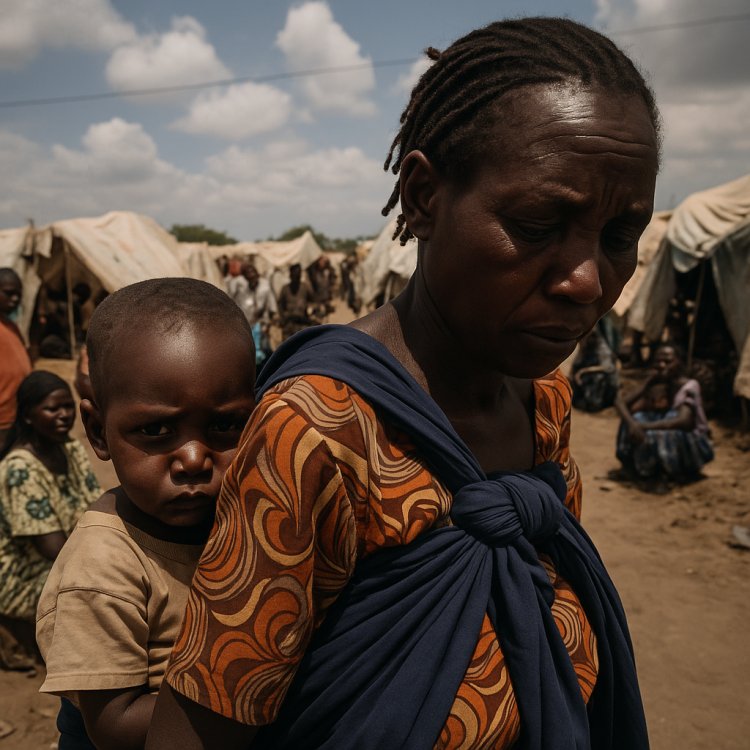
According to a United Nations report, the number of people facing hunger worldwide decreased for the third year running in 2024. The report showed a small but significant improvement following the sharp increase in hunger during the COVID-19 pandemic. However, the report states that conflicts and climate-related problems are still causing serious hunger issues in some areas of Africa and western Asia.
In the year 2024 around 673 million of people were affected by hunger which is around 8.2%. This is a little improvement in the report as compared to 2023 when 8.5% of global population were facing hunger. However, the report is focused on addressing not short term or sudden changes. That means it doesn’t fully include the ongoing conflicts, like the war in Gaza, which might have caused sudden spikes in hunger for many people.
Maximo Torero, chief economist at the UN Food and Agriculture Organisation, said improved access to food in South America and India had driven the overall decline but cautioned that conflict and other factors in places such as Africa and the Middle East risked undoing those gains.
UN Secretary General Antonio Guterres further added that Conflict continues to drive hunger from Gaza to Sudan and beyond. He further noted that Hunger further feeds future instability and undermines peace.
The report indicated that the largest gains in 2024 were reported from South America and Southern Asia. In South America, hunger decreased due to improved agriculture and generous government programs such as school meal plans. In Southern Asia, fresh statistics from India indicated that more individuals now enjoy proper nutrition. Nevertheless, the world's hunger is still not at pre-pandemic levels. In 2019, hunger only impacted 7.5% of the global population which was less compared to the current percentage 8.2%.
Africa is still facing the biggest challenges. Food production in Africa is not increasing at the same rate as the population. To add insult to injury, war, natural disasters like floods and droughts, and rising prices have driven up the levels. In 2024, a record number of more than 307 million Africans were undernourished, that is more than one in every five inhabitants of the continent. According to the report, Africa would be responsible for nearly 60% of the hungry in the world by 2030 if this trend is not altered. There is another problem the report points towards, and that is food prices. In the first half of 2023, food prices rose much more rapidly than general inflation, rendering it even more difficult for low-income households to afford nutritious food.
There was some good news as well, though. Fewer individuals are currently unable to afford a healthy diet, 2.6 billion in 2024, compared to 2.76 billion in 2019. But the report also warned adult obesity is rising. Nearly 16% of adults were obese in 2022, up from 12% in 2012. While there has been some reduction in the fight against global hunger, there are still numerous challenges, especially in low-income and conflict areas. The UN demands continued international effort so that the progress doesn't unravel.
What's Your Reaction?