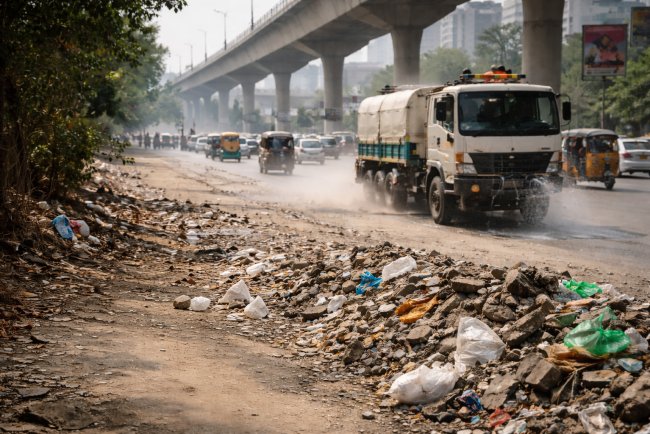
A landmark global study led by Curtin University reveals the widespread, previously undocumented practice of households in developing nations burning plastic waste for heating and cooking. The research, published in Nature Communications, indicates one in three survey respondents were aware of the practice, uncovering severe associated health and environmental risks.
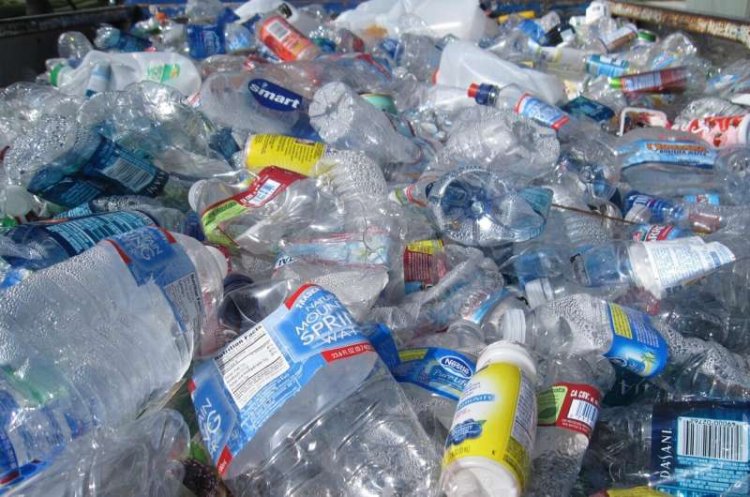
Researchers from Curtin University conducted an international survey that has uncovered the use of burning plastic waste to produce energy in poor households around the world. They surveyed over 1,000 people from 26 countries and found that one-third had observed or were aware of people using plastic as a fuel source for cooking, heating, and lighting.
The authors of the report attribute the widespread occurrence of this behaviour to two main factors – extreme energy poverty in low-income areas and lack of adequate waste management services. As such, families that cannot afford cleaner fuels are left with no alternative but to burn any readily available plastic waste as a fuel source. This research highlights a hidden emergency that poses serious threats to the health of individuals, to the equity of society and to the environment. Many of those who participated in the survey reported being eyewitnesses to this phenomenon, while a considerable percentage admitted to having been involved in the burning of plastic.
The Burning Plastic Crisis
Research indicates that burning plastic is not only a means of waste disposal but also a desperate attempt to meet basic energy needs. Many families are burning plastics such as plastic bags, wrappers, bottles, and containers. In doing so, they typically use simple cooking stoves or three-stone fires, and makeshift burning devices that release toxic smoke directly into the living area, resulting in increased exposure to dangerous chemicals.
The research further indicated that this practice is being carried out predominantly in low-income urban areas, and therefore has not yet received significant attention from the global community. According to the study lead Dr. Bishal Bharadwaj, “Ordinary households that are unable to afford cleaner-burning fuels for cooking, and are unable to rely on the presence of a regular waste-collection service.”
Furthermore, the study has projected that, with the anticipated increase in global plastic consumption, the burning of plastics will continue to escalate exponentially by 2060.
Environmental and Human Health Threat
The environmental and human health effects from burning plastic can be severe, according to the research team. According to the research team, Various plastics release different toxic substances when burned. PVC, the third most commonly burned plastic, raised the greatest concern.
When burned, PVC emits some of the most toxic dioxins and furans. These compounds are also persistent organic compounds that build up in the environment and food chain. The health effects from exposure to these compounds are severe and can lead to cancer, reproductive problems, and serious immune system defect. According to the researchers, the highest exposed populations in contaminated communities are women, children, the elderly, and people with disabilities.
Food and Water Supply Contamination
Apart from inhaling smoke, the study outlines a serious secondary hazard of the burning of plastics to the surrounding community – the pollution of the local food and water supply. The study indicates that toxic substances deposited onto soil, produce, and water (from burning plastics), may indeed have an adverse effect on health, with the survey estimating that 60% of respondents were very likely to assume this was happening.
Respondents’ assumptions that toxic pollution occurs near burning sites are supported by previous studies, which have detected high concentrations of heavy metals and organic pollutants in both food, such as eggs, and in soil. It compounds the overall health crisis since communities living with energy poverty are not only being deprived of food but may also be consuming food that is toxic and exposing them to longer term chronic health conditions.
Dealing with the Root Causes
The authors are also clear that it is not sufficient to simply tell individuals to stop, but that any solutions need to address the underlying drivers of these practices. According to Professor Peta Ashworth, a co-author and the Director of Curtin University, simply saying “stop” is not going to be effective unless people are provided with more affordable and safer alternatives. Ashworth continues to state that the root causes are as follows:
(1) extreme energy poverty;
(2) the high cost of cleaner energy sources; and
(3) the lack of any kind of organised waste management services.
In order to effectively intervene in this situation, the authors believe that a multilayered response is necessary. This will necessitate improving local infrastructure to collect waste, improving access to modern affordable cooking fuels; and developing practical culturally relevant solutions working collaboratively with the affected communities themselves. This research will serve as an important evidence base for organisations and policymakers attempting to effectively plan targeted interventions to protect the world’s most vulnerable urban residents.
Global Action Needed
The Curtin University study reveals that burning household plastic has almost completely been ignored by the research community due to lack of research, and while this type of data may have been reported before, now there is clear scientific evidence that it requires global action. The study highlights the link between burning of plastic waste in homes and other issues with waste management systems as well as access to energy.
As the volume of plastic being produced worldwide increases, so too will the number of marginalised communities around the world who have no access to a waste disposal system. In order to mitigate against the severe adverse health effects associated with the use of burned plastics, researchers recommend implementation of targeted action to help mitigate against these adverse health effects before they begin to escalate. In addition, the researchers also call for the development of integrated policies that support the simultaneous implementation of addressing problems associated with plastic pollution, energy poverty and protecting the public’s health in low-income countries throughout the world.
What's Your Reaction?