Scientists warn that record-breaking winter temperatures in Antarctica could signal accelerated climate change, with potential impacts on ice loss, sea levels, and polar ecosystems.
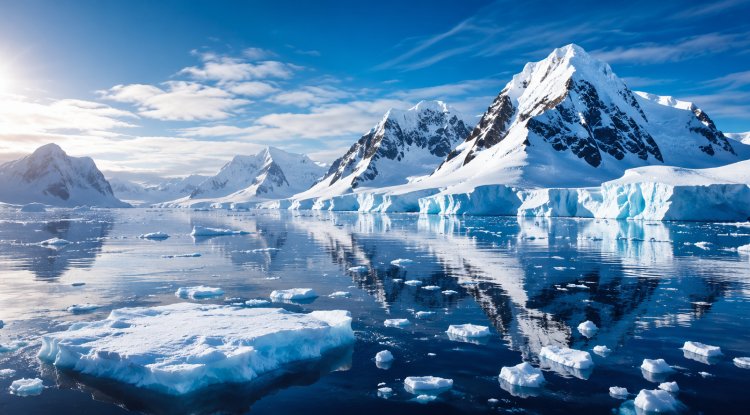
Record-breaking winter temperatures in parts of Antarctica have raised the alarm from scientists, who say there is growing evidence that the coldest parts of the Earth are warming at a faster rate than previously forecast, which is a clear warning of accelerated climate change.
According to experts, the temperatures recorded in the Antarctica Peninsula and neighbouring islands are exceptionally high compared to other regions within the Southern Hemisphere. There is nothing out of the ordinary during such seasons, but according to the recent findings, temperatures are exceptionally high in comparison with those recorded before, making scientists question their effects on the entire environment.
Antarctica acts as an entry point for the entry of solar radiation. Besides this, the ice formations in Antarctica hold large reservoirs of water that help keep sea levels low as well as reflect sunlight. The warming in the area may cause the ice to melt more quickly, leading to the disintegration of ice shelves, contributing to sea-level rises in the future.
Isolated warm spells are not evidence of a long-term climate trend, but their frequency in polar regions is consistent with climate trends estimated by climate models that show an increase in global temperature due to greenhouse gas emissions from human activities, researchers said. The ongoing warming of the Southern Ocean and the atmosphere around Antarctica has consequences for ocean dynamics, ecosystems and climate of the Southern Hemisphere well beyond Antarctica.
The record-warm winter has also affected wildlife adapted to extreme cold, including penguins and seals, scientists have observed. Changes in sea ice may reduce habitat for krill, a keystone species in the Southern Ocean food web and a subsequent loss in marine biodiversity.
The new Antarctic temperature records drive home the need to redouble global efforts to cut emissions and build climate resilience, climate experts say. As international talks continue and the world's leaders gear up for the next UN climate conference, the Antarctic events add renewed urgency to calls for greater climate action to prevent the worst impacts of global warming.
What's Your Reaction?