Study Identifies 4,200 Harmful Plastic Chemicals, Urges Safer Alternatives
A new study by the Norwegian University of Science and Technology reveals 4,200 hazardous plastic chemicals and outlines safer alternatives to support global plastic pollution reduction efforts. Published in Nature, the study supports calls for transparency, regulation, and safer material design.
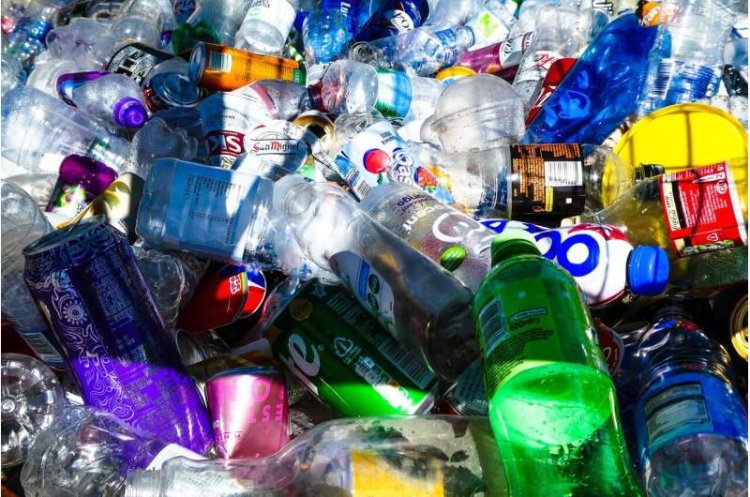
A report in the recent edition of Nature by the Norwegian University of Science and Technology (NTNU) found at least 4,200 plastics chemicals that are likely to hurt human health and the environment. They are found in all forms of plastic used for common things like food packages, containers, clothes, and car parts. The study is timely given that international talks are in progress to negotiate a treaty aimed at cutting plastic pollution and greener and more sustainable plastic use.
The scientists built a vast database called PlastChem, which contained comprehensive data on 16,325 chemicals involved in plastic manufacturing and pollution. They encompass additives put in intentionally during the manufacturing process and unwanted contaminants that find their way into the plastics. Tracing the entire chemical makeup of plastics, the research uncovers the extent and sophistication of chemicals used on plastics.
One of the main issues brought forward by the study is the dearth of industrial and public information on the particular chemicals that are employed in various plastic products. Given the increased usage of reused and recycled plastics in various sectors of industry, too little information are known about the involved chemicals and how they may impact human as well as environmental health. The absence of a proper chemical inventory has prevented scientists, policymakers, and consumers from being able to make a complete assessment of the risk involved.
The 4,200 chemicals of concern identified in the study are suspected or known to be toxic. Among them are chemicals that are suspected to be endocrine disruptors, carcinogens, and environmentally persistent chemicals. Importantly, the study affirms that toxic chemicals are found in all of the large categories of plastics and can potentially leach out through the process of product use or product disposal. In other words, ordinary products such as food packages, plastic containers, and even clothing can help spread the toxic chemicals.
The research further offers three major recommendations that will reduce the chemical risk imposed by plastics. The first is to ban identified harmful chemicals either by voluntary efforts of producers or stricter measures by governments. The second is to enhance transparency with the expectation that complete information about the chemical contents of plastics is put out in the public domain. The third suggestion is to redesign plastics with fewer and safer chemicals, especially for those that are intended to be recycled or reused within a circular economy regime.
Plastic pollution is a worldwide issue, and the current study provides scientific support for international action in the form of an international binding plastics agreement. Authors point out that changing the production, consumption, and control of plastics are crucial to safeguarding human health and the environment from chemical contamination.
The research was conducted by an interdisciplinary group headed by the Norwegian University of Science and Technology (NTNU) and the Norwegian Geotechnical Institute (NGI). The complete research article, entitled Mapping the chemical complexity of plastics, appears in the journal Nature and is available through DOI: 10.1038/s41586-025-09184-8.
With increasing worldwide realization of plastic pollution, this study gives a definitive agenda for policy and industry transformation focusing on chemical safety as well as sustainability. The results validate the mounting demands for a circular, open, and non-toxic plastics economy.
Source:
Norwegian University of Science and Technology. Mapping the chemical complexity of plastics. Nature (2025). DOI: 10.1038/s41586-025-09184-8
What's Your Reaction?