A new global analysis shows mismanaged waste is rising due to underfunded systems, increasing costs, and gaps in collection, posing risks to health, environment, and economies.
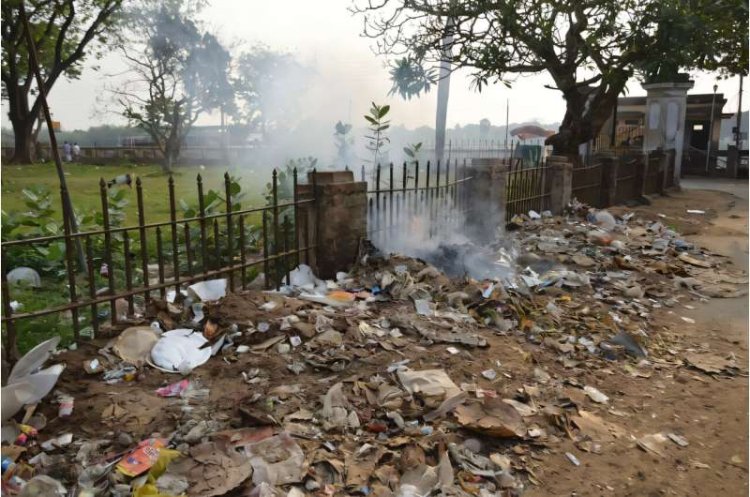
The world is producing waste faster than it can dispose of it. In fact, it is estimated that the world is producing over 2.6 billion tonnes of waste every year. Scientists have indicated that waste production is expected to increase in the coming decades if systemic changes are not put in place.
The problem is not only in dealing with waste accumulation in cities. A “waste mountain” is being experienced due to an increase in consumption rates and waste management inefficiency. A lot of waste is being dumped in landfills and through open dumping, especially in low- and middle-income countries.
Essentially, at the heart of the problem is the linear economic model that continues to influence global production systems. This model is characterized by production, consumption, and disposal. It is responsible for the increased consumption of materials in the world. However, there is no corresponding increase in disposal capabilities. Therefore, there is more waste being created than is being recycled or disposed of in most parts of the world.
Plastic waste has been at the heart of the problem. This is mainly attributed to single-use plastics. Their consumption has been on the increase in recent times. However, recycling levels for plastics have been low in most parts of the world. A significant percentage of recycled plastics is being disposed of in natural ecosystems.
The environmental impacts of waste have been on the increase. For example, landfills have been cited as contributing to greenhouse gases. Some of these gases include methane. This is a key greenhouse gas that is responsible for climate change. Wastes have also been cited for causing pollution in soil and water.
One of the aspects of the crisis is the issue of inequality. For instance, high-income countries have high per capita waste generation. However, these countries export some of the waste they generate to developing countries. In contrast, developing countries are struggling with the collection of waste. This has led to the accumulation of waste and the risks that come with it.
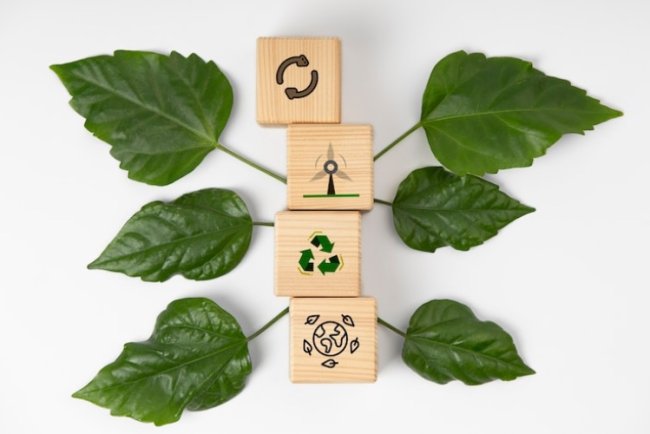
Currently, the fight against the crisis is taking the circular economy route. The circular economy route includes the reduction of materials used in the production of waste. In this regard, the design of products is also being addressed. The collection of waste is another area that the circular economy route covers.
However, researchers have indicated that the measures put in place to mitigate the crisis are insufficient. The waste burden in the country and globally is expected to rise.
The findings underscore that waste is no longer a localised issue but a global environmental challenge, requiring coordinated policy action, infrastructure investment, and behavioural change across economies.
What's Your Reaction?