A study finds weak governance, illegal logging, mining, and funding constraints continue to challenge conservation efforts across the Congo Basin, one of the world's largest rainforest regions.
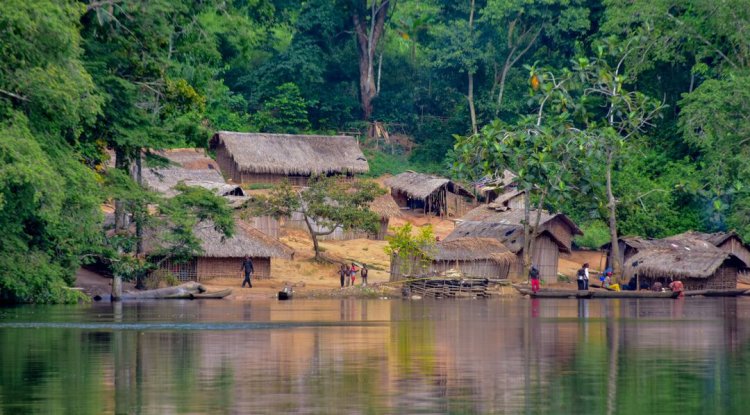
Ineffective governance, illegal exploitation of forest resources, and lack of financial support are some of the factors affecting forest conservation in the Congo Basin, according to a new study.
Congo Basin ranks second among tropical rainforests in size after the Amazon forest and is one of the largest carbon sinks globally. The study pointed out that governance inefficiencies, political instability, and issues surrounding carbon credits had made conservation initiatives more challenging throughout the region.
According to the findings, agricultural activities, mineral exploration, illegal wildlife trade, and climate change are some of the key factors threatening forest habitats in Central Africa.
Currently, protected lands amount to an area of 22.6 million hectares, which constitutes 14% of the rainforests in Central Africa. The researchers, however, indicated that financial problems were still a challenge to conservation initiatives in some countries.
The report highlighted that the environmental threats faced were further compounded by the economic issues facing the area. Over 50% of people in Central Africa live below the poverty line and face the prospect of a growing population that will exert increasing demands for land, energy, and infrastructure.
Forest management, mining, and energy generation were also considered in the study. One-third of the forests in the Congo Basin is governed by timber concessions using forest management plans, but there are some differences between the countries in terms of implementation and supervision.
There was a comparison between the forest governance within the region, with the forestry sector of Gabon undergoing increased oversight, but the other neighboring countries not being as effective.
Another source of funding for conservation efforts might be carbon markets. It was said that there might be increasing demand for carbon credits due to international agreements related to forest management, possibly even from the aviation sector. Problems of governance and carbon credits' quality are still a matter of concern.
The study compared local community involvement in forest governance. Community income is often linked to forests in many places, which makes it a relevant aspect in conservation programs and forest management in general.
Ecotourism was another alternative for generating funds that could support forest protection. Wildlife tourism, including gorilla tourism, has helped earn money in some areas of Central Africa, despite challenges such as inadequate facilities, political insecurity, and high costs.
The study concluded that stronger governance, improved financing mechanisms, renewable energy investment, and community participation will influence the future of forest conservation in the Congo Basin.
What's Your Reaction?