India's Mango Export Paradox: Dominance at Home, Challenges Abroad
Despite being the world's largest mango producer, India faces significant challenges in exporting its mangoes due to varietal limitations, high transportation costs, stringent import regulations, and infrastructure gaps.
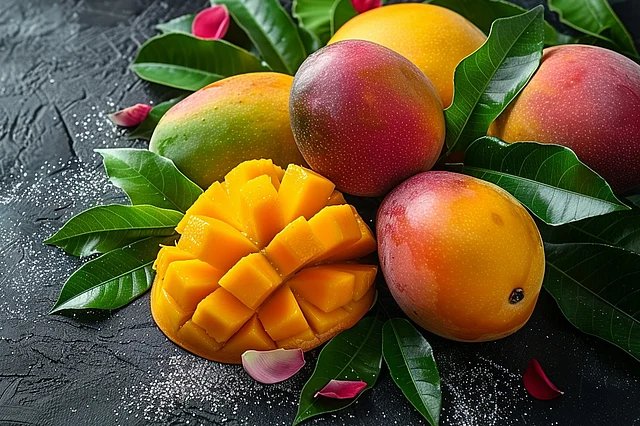
India, the world's largest producer of mangoes, accounts for nearly half of global production. Despite this dominance, less than 0.5% of its annual mango yield is exported. In 2023, India exported approximately 93,000 tonnes of fresh mangoes and pulp, valued at ₹1,120 crore, marking a significant decline from previous years
Export Challenges
Several factors contribute to India's limited presence in the global mango market:
-
Varietal Limitations: Many Indian mango varieties, such as Alphonso and Dasheri, have short shelf lives and delicate skins, making them unsuitable for long-distance transport. In contrast, varieties from countries like Mexico and Brazil, such as Tommy Atkins and Kent, are more durable and travel better .
-
High Transportation Costs: Due to the perishable nature of mangoes, air freight is often the only viable option for export. However, air freight costs can be prohibitively expensive, sometimes exceeding the cost of the fruit itself. For instance, air freight from Bengaluru to the U.S. can cost around ₹450 per kg, while the procurement cost is approximately ₹110 per kg .
-
Stringent Import Regulations: Countries like the U.S., EU, and Japan have strict phytosanitary standards, requiring treatments such as irradiation, hot water treatment, or vapor heat treatment. These processes can alter the taste and quality of the fruit, making Indian mangoes less appealing in these markets
-
Infrastructure Gaps: The lack of adequate post-harvest facilities, especially in northern and eastern India, hampers export potential. All U.S.-approved irradiation facilities are located in southern or western cities, limiting access for growers in other regions .
Domestic Consumption and Cultural Significance
Despite export challenges, mangoes hold immense cultural and economic significance in India. The fruit is deeply embedded in Indian traditions, festivals, and cuisine. States like Uttar Pradesh, Andhra Pradesh, and Maharashtra are major producers, with varieties like Dasheri, Banganapalle, and Alphonso being highly sought after domestically.
Efforts to Boost Exports
The Indian government, through agencies like the Agricultural and Processed Food Products Export Development Authority (APEDA), is working to enhance mango exports. Initiatives include inviting international inspectors for pre-clearance processes and exploring new markets. In 2023, India exported mangoes to 41 countries, including new destinations like Iran, Mauritius, Czech Republic, and Nigeria .
Conclusion
While India remains the undisputed leader in mango production, translating this dominance into global market share requires addressing logistical, infrastructural, and regulatory challenges. With concerted efforts from both the government and industry stakeholders, there is potential to enhance India's presence in the global mango market.
Source: Adapted from "Why the mango is a king at home but a pawn abroad" by Outlook Business
What's Your Reaction?