Godavari Biorefineries expands Sameerwadi ethanol capacity to 800 KLPD with a new grain-based distillery.
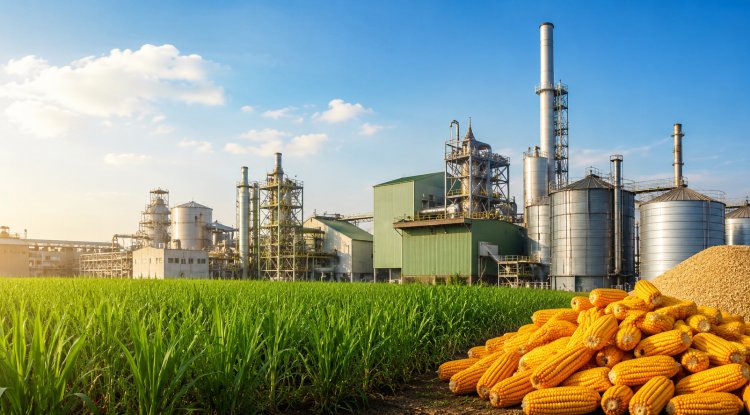
Godavari Biorefineries Limited has taken the production of ethanol to a new level by starting commercial production at a new grain and maize based distillery having a capacity of 200 kilo litres per day (KLPD) at its distillery at Sameerwadi in Karnataka. The new plant, with an investment of ₹130 crore, will add about 60 million litres of ethanol annually to the site, which now supplies 800 KLPD of ethanol. The expansion is part of the company's overall plan to boost the continuing development of its integrated biorefinery business by broadening its feedstock supply and helping cater to the rising ethanol demand in the country under the Ethanol Blending Programme.
The newly built plant allows the business to operate both corn and other grains and sugar cane, affording flexibility of operation depending on the availability of raw materials. The development also highlights the growing importance of the grain-based distillery industry in India's biofuel sector, where diversifying the feedstock is becoming vital for maintaining a continuous manufacturing process and enhancing the supply chain's resilience.
Dual-Feedstock Model for more stable operation
The grain-based distillery is a significant change in the working pattern of the Sameerwadi unit. The factory functioned mainly based on sugarcane as a feedstock for ethanol production earlier. The plant now has the capacity to process grain because of this integration, allowing for a changeover between sugarcane and grains based on market conditions and availability of crops during the season.
The double-feedstock option will provide a hedge against natural or man-made variations in crop yields due to the vagaries of the weather. It also allows the company to keep production in balance throughout the year and adjust production of feedstocks more effectively when their availability changes.
The flexible production model allows for regular production of ethanol, without relying on a single agricultural commodity. This flexibility is particularly crucial as India aims to increase the biofuel blend mandate while ensuring the proper utilization of agricultural resources.
Growth supports India's Biofuel and Energy Objectives
The government of India has been gradually promoting the use of ethanol blended petrol to promote alternative fuels and enhance its energy security. Integrated biorefineries are expected to play a key role in expansion of production capacity to help achieve the country's long-term biofuel goals.
Godavari Biorefineries, through the new distillery, is ready to provide more ethanol for the blending mandates in the country. The expanded production capacity also helps diversify the supply chain that will help meet demand by oil marketing companies all year long.
The project goal is in line with the overall goal of supporting increased use of renewable fuels in the country and the increased use of agricultural raw materials for all industrial purposes.
Emphasize Climate Resilience via Feedstock Diversification
Climate variability has begun to have a growing impact on agricultural production in a number of areas of the country, making feedstock diversification a critical strategy for an ethanol manufacturer. The Sameerwadi unit also becomes more flexible in coping with the varying climatic and seasonal conditions because of the integration of grain processing in the same set-up.
Switching between different feedstocks allows for a more resilient production process and helps to reduce disruptions in the production process, which could occur due to poor harvests, delayed monsoons, or lower sugarcane availability. The operational resilience contributes to more stable manufacturing process and enhances long-term planning of ethanol production.
The expansion also reflects the integrated biorefineries trend in growing plants that are able to make use of more than one agriculture source instead of a single one.
Company Highlights Circular Biorefinery Approach
Godavari Biorefineries Limited Chairman and Managing Director Samir Somaiya said that the company has planned a resilient circular biorefinery model, by processing grain in tandem with its existing sugarcane business.
India's energy shift will rely more and more on agricultural resources and the need to create a supply chain that can sustain both the ethanol industry and farmers is crucial, he said. The country's ethanol blending targets offer a solid platform for further expansion of the biorefinery industry and for using the nation's agriculture resources in a sustainable way, he said.
Increased Application beyond Ethanol Production
Godavari Biorefineries is an integrated biorefinery, producing specialty chemicals based on the base products and renewable energy products apart from ethanol. The new distillery is commissioned, which helps the company to have the capacity to obtain several agricultural raw materials for manufacturing.
The enlarged plant enhances its production line and also optimises the use of raw materials. As the bioeconomy keeps developing, integrated facilities that can process various feedstocks are likely to become more important in the future to sustain industrial processes and produce renewable energy.
Now that the Sameerwadi expansion is up and running, the company has bolstered its production capacity with a diversified manufacturing model that brings greater ethanol production capacity and greater seasonal and climate change resiliency to its supply. The investment symbolizes the evolving landscape of India's biofuel sector, where adaptable production methods and a multi-faceted approach to agricultural inputs are playing a growing role in fulfilling India's future renewable energy needs and in fostering a more sustainable industrial framework.
What's Your Reaction?