Himalayan Dams: Economic and Environmental Failures
A deep dive into why dam projects in the Himalayas rarely achieve long-term viability, analysing escalating economic burdens, maintenance difficulties, community costs, and environmental instability. Draws on Outlook Business and expert commentary.
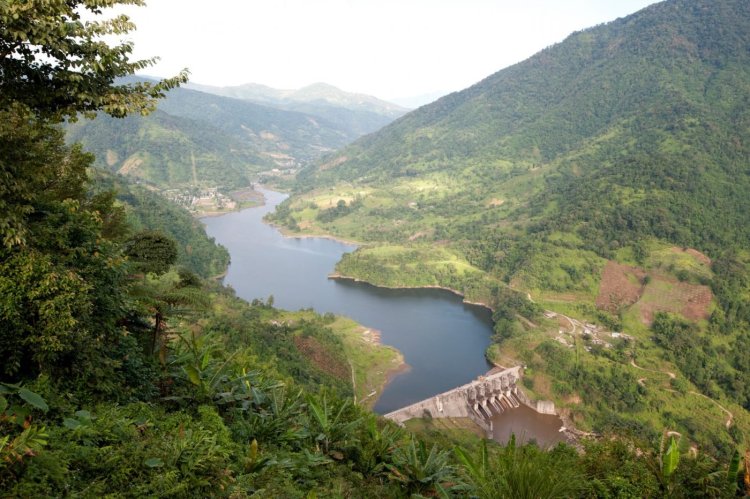
The construction of large dams across the Himalayan belt, promoted as solutions for energy generation and development, has produced controversy regarding both their economic sense and ecological risks. Decades of dam-building in geologically fragile zones have revealed repeated patterns of cost overruns, maintenance struggles, and escalating social and ecological costs. Projects such as Teesta III and planned ventures like Etalin exemplify this trajectory: spiralling project debt burdens, delayed commissioning, and high tariffs that deter buyers, undermining the case for such hydropower investments.
The Himalayan terrain, subject to frequent landslides, earthquakes, and intense rainfall, imposes additional engineering and safety challenges. Siltation from landslides rapidly reduces dam lifespans, while maintenance costs climb as structures are battered by recurring natural disasters. Multi-storey concrete infrastructure magnifies instability risks for both river valleys and mountain slopes, contributing to annual cycles of destruction and financial loss.
Local communities often face displacement and unreliable compensation, while the anticipated economic benefits rarely materialise without major subsidies. Scheduled and unscheduled outages mean power generated is both irregular and expensive. At a regional scale, dam-building distorts sediment and water flows, altering the vitality of downstream ecosystems and communities. Transboundary projects escalate geopolitical tensions, especially in contested river basins. Many of these projects, funded by a mix of government borrowing and public-private partnerships, ultimately shift financial risk onto state governments and taxpayers after private developers secure early-stage profits.
Critically, these economic and engineering realities undermine claims that Himalayan dams are a sustainable or cost-effective solution to India’s energy needs. As landslides, glacial lake outbursts, and seismic events grow more frequent—amplified by accelerating climate change—the very foundation for further dam expansion weakens. The cycle of building, breaking, and rebuilding serves neither economic efficiency nor ecological safety, demanding an urgent reassessment of energy and development planning in high-mountain Asia.
What's Your Reaction?