H&M and Stella McCartney reunite for a major sustainable fashion collaboration in 2026, launching an "Insights Board" to drive industry-wide innovation in materials, sourcing, and animal welfare amid tightening global regulations.
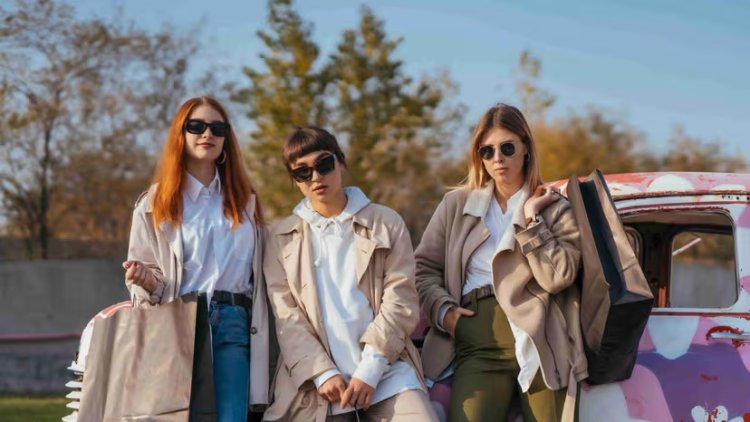
H&M and Stella McCartney have announced a renewed collaboration for a major sustainable fashion collection, set to launch in spring 2026. This partnership marks their first joint effort in nearly two decades and comes at a critical moment for the global fashion industry, which is facing increasing regulatory pressure and rising consumer demand for greater environmental responsibility. More than a capsule collection, the project is positioned as a platform for industry-wide change, introducing a new “Insight Board” to tackle systemic challenges in scaling sustainable materials and practices. By bringing together a high-volume retailer and a pioneer of conscious luxury design, the collaboration aims to make lower-impact, cruelty-free fashion accessible on a much broader scale.
This reunion comes 20 years after their groundbreaking first collaboration in 2005, a time when sustainable fashion was far from mainstream. According to a leading media house covering the announcement, both brands view the 2026 project as an opportunity to measure the progress made in conscious design and to confront the distance still left to travel. The collection will feature garments made from certified, responsibly sourced, and recycled materials, showcasing what alternatives to conventional fabrics can look like when produced for a mass market.
A New Framework for Industry Change: The Insight Board
A defining feature of this collaboration is the establishment of the Insight Board. This initiative goes beyond a traditional marketing campaign to function as a long-term governance and dialogue platform. The board will bring together designers, material suppliers, innovators, and sustainability experts to address fundamental barriers within the fashion system.
Key discussion areas will include scaling next-generation materials, strengthening ethical sourcing protocols, and advancing animal welfare standards. The goal is to host working sessions that generate actionable ideas and test new solutions, facilitating the mainstream adoption of lower-impact materials. Stella McCartney’s decades-long advocacy for bio-based fabrics and alternatives to leather and fur lends the board significant credibility, while H&M provides the large-scale platform needed to apply these insights across a vast supply chain.
A Strategic Partnership for a Regulated Era
The collaboration is strategically timed, aligning with a wave of new regulations reshaping the future of fashion. Notably, the European Union is advancing policies that will require brands to manage textile waste, substantiate environmental claims, and improve supply chain traceability. At the same time, investors are increasingly demanding science-aligned climate action from major corporations.
For H&M, the partnership offers a structured pathway to integrate innovative sustainable concepts directly into its business model, helping the company respond to regulatory and market pressures. For Stella McCartney, the alliance presents a rare opportunity to bring her philosophy of cruelty-free, conscious design to markets and price points traditionally beyond the reach of luxury fashion. H&M’s Creative Advisor, Ann-Sofie Johansson, has described McCartney as “a true groundbreaker” whose vision continues to influence the industry.
The Road to Spring 2026 and Beyond
As the fashion world looks ahead to the spring 2026 launch, the H&M and Stella McCartney collaboration is set to become a closely watched case study. It represents a major test of whether a partnership between two very different ends of the industry — mass retail and conscious luxury — can deliver scalable and practical solutions that influence the wider ecosystem.
The project’s success is likely to be measured not only by sales, but by its ability to advance material innovation, establish new benchmarks for transparency, and demonstrate a viable model for large-scale, lower-impact production. In an industry under mounting pressure to reform, this collaboration seeks to show that meaningful change is possible when influential players work together from both within and outside the system.
What's Your Reaction?