China has lowered key interest rates and expanded electric vehicle subsidies as part of a broader strategy to revive economic growth, boost consumer spending and support the clean-energy transition.
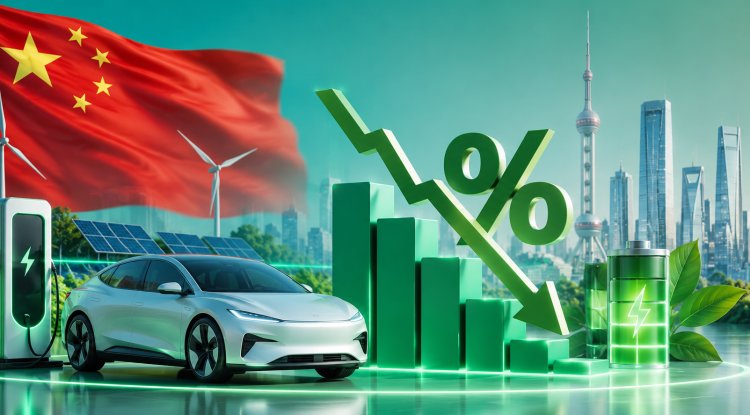
China has announced a fresh set of economic stimulus measures, including interest rate cuts and enhanced incentives for electric vehicle (EV) purchases, as policymakers seek to support economic growth, boost consumer spending and accelerate the country's clean-energy transition.
The People's Bank of China reduced its one-year medium-term lending facility rate by 20 basis points to 2.3 per cent, marking its largest rate cut since the Covid-19 pandemic. The rate on seven-day reverse repurchase agreements was also lowered to 1.7 per cent as authorities moved to inject liquidity into the economy and support business activity.
As part of other relaxation steps, China has doubled the amount of subsidy provided to customers who would replace their old vehicles with electric cars. This step is being taken as part of a wider attempt to encourage consumption in the country while promoting cleaner methods of transportation. It has been revealed that customers replacing their old vehicles with new electric cars can get a higher subsidy.
This decision was made against the backdrop of an economic slowdown in China, along with low levels of consumer sentiment, problems in the real estate sector, and a general economic pressure on the country. Economic policy-makers have been resorting to both monetary and fiscal policies in order to stimulate the economy. The current cut in interest rates is seen as a clear indicator of this trend.
It is important to mention that China has been the leading country in terms of the demand for electric cars, and the subsidy scheme is likely to promote its further growth. The country has been making serious investments into developing technologies of batteries and infrastructure necessary for the operation of electric cars.
The government of China has also earmarked approximately USD 41 billion for upgrading industrial and household equipment, a programme aimed at modernising infrastructure, increasing efficiency and stimulating investment across multiple sectors. Officials believe these measures will help strengthen domestic demand while supporting long-term industrial competitiveness.
From an environmental point of view, these additional incentives for EVs could help in bringing down emissions from this sector by facilitating the swapping out of old polluting cars. The increased use of EVs will also help in combating urban air pollution as well as increasing energy efficiency in China.
Experts note that while subsidy programmes can boost short-term demand, long-term success will depend on continued investment in charging networks, battery technology and renewable energy integration. Nevertheless, the latest measures highlight China's strategy of combining economic stimulus with clean-energy development to support both growth and environmental objectives.
What's Your Reaction?