Home battery systems are emerging as an effective solution for reducing electricity costs, improving energy security and supporting the transition to cleaner and more resilient energy systems.
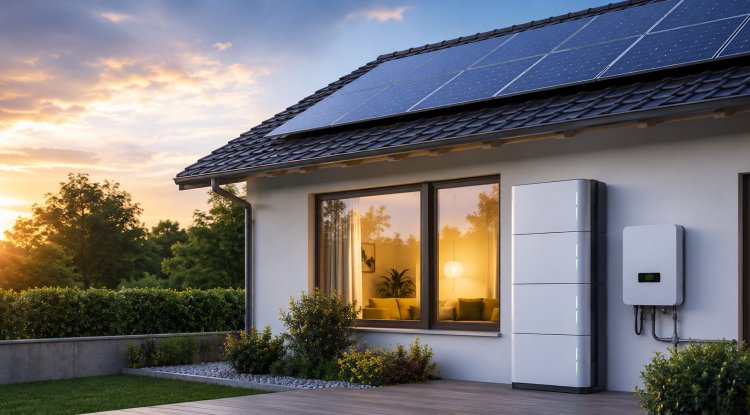
Battery systems are becoming an important option for residential buildings looking to save money on energy costs, enhance energy security and reduce their environmental footprint. Experts see a potentially major role for home batteries in facilitating a transition to a cleaner energy system, amid the increasing use of renewable sources.
Home batteries store electricity generated by rooftop solar panels or drawn from the electricity grid when it is available at a lower price to the consumer. The stored energy can then be used when it is needed most, allowing residents to save money on expensive grid electricity and be assured of power during power outages.
While the initial expenses of home battery deployment are still relatively high, falling battery costs and program incentives in a number of countries are making home batteries more affordable over time. Owners of solar panels or electric vehicles and households that consume a lot of electricity stand to gain most financially in the long run, experts say.
Apart from saving money at an individual level, battery systems can be used to create a stable power grid. Battery systems are able to store surplus renewable energy and distribute it when there is high demand for power. In that way, it will make it possible to integrate increased renewable energy into the electricity grid and thus minimize the production of greenhouse gases and burning of fossil fuels for energy generation.
However, these environmental benefits depend on how the batteries are charged. Batteries charged using solar and other renewable energy sources are more climate beneficial than those charged using electricity generated from fossil fuels. There is also an expectation that improved battery recycling, manufacturing processes and energy efficiency will benefit their sustainability.
Home batteries are expected to become more common as part of home energy management systems with continued reduction in costs and advances in technology. They are thought to enable households to be more self-sufficient and help to create more sustainable and resilient electricity systems around the world.
What's Your Reaction?