The two projects will draw 14 MWp of renewable energy from HREPL’s solar park located in Nanded, Maharashtra.
Hinduja Renewables Energy (HREPL) has signed solar Power Delivery Agreements (PDAs) with Höganäs India and Hirschvogel Components India.The agreements are aimed at supporting the use of renewable energy in manufacturing operations.
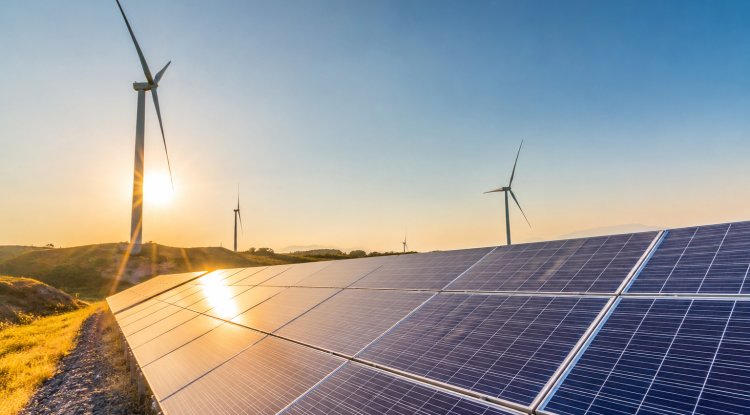
The two agreements which together have a total installed capacity of 14 MWp, will utilize solar energy from the solar park of HREPL, having a capacity of 35 MWp, situated in Nanded, Maharashtra.
HREPL currently has a renewable energy portfolio of around 3 GW from various sources such as solar, wind, hybrid, and storage. The company intends to scale its renewable energy capacity up to 10 GW by 2030 through investments in storage and renewable energy.
These agreements have been inked between HREPL and Höganäs India and Hirschvogel Components India that deals in steel and aluminium forging and machining services. It is said that the project will help save about 0.53 million metric tons of CO₂e throughout their lifespan.
Deepak Thakur, Managing Director and CEO of Hinduja Renewables, said, “India’s manufacturing trajectory will be defined by the energy choices companies make. We are building a 10 GW platform that pairs utility scale renewable generation with planned 2–4 GWh of battery storage and hybrid solutions to deliver firm, long tenured supply to industrial customers. By aggregating demand across manufacturing clusters, we can cut delivered energy costs by up to 15–20%, improve energy resilience and drive measurable emissions reductions in the order of millions of tonnes of CO₂e over the next decade.”
Earlier, HREPL has been in renewable energy collaborations with industrial corporations such as Lloyds Metals & Energy with whom they have a contract worth 86 MWp and LG Electronics with whom they have a contract worth 10 MWp.
The company stated that their strategy regarding the supply of energy to industries includes providing energy in terms of a combination of solar energy, wind energy, hybrid energy, and storage energy.
What's Your Reaction?