A joint CPCB-DPCC report finds Delhi’s waste-to-energy plants are largely compliant and pose minimal health and environment risks, though some emission and effluent improvements are needed.
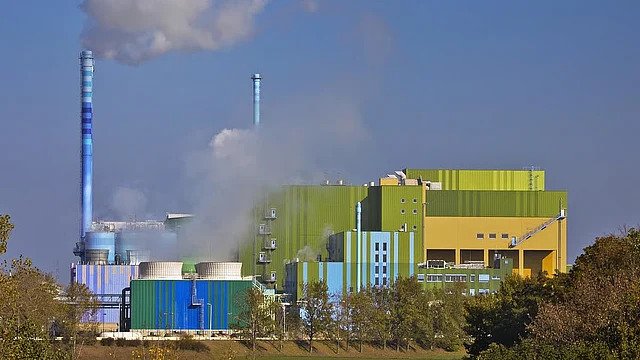
A landmark report by the Central Pollution Control Board (CPCB) and Delhi Pollution Control Committee (DPCC) indicates that Delhi's waste-to-energy (WTE) plants generally comply with environmental regulations and pose minimal risk to public health. The findings relieve longstanding concerns that large-scale WTE incineration projects might exacerbate urban air pollution and toxic exposure.
All four plants—Okhla, Ghazipur, Bawana, and Tehkhand—were found to process municipal waste using pre-processing facilities that increase waste calorific value above regulatory requirements. Stack emissions at these sites, including particulate matter and heavy metals like nickel, typically fall within permitted limits. However, certain emissions exceeded norms at Bawana, particularly for dioxins, furans, cadmium, and thallium.
Despite these exceptions, the incremental cancer risk from dioxin emissions at Bawana was determined to be below the threshold of concern as defined by the US Environmental Protection Agency. Ambient air quality near WTE plants, monitored by eight stations, generally aligns with readings from Delhi's wider air quality monitoring network, with occasional exceedances for PM10 and PM2.5 but within typical Delhi air quality ranges.
Data for waste ash quality show that three plants meet standards for bottom ash and fly ash, with some exceedances at Bawana in cadmium, manganese, lead and copper. Leachate and effluent studies found biochemical oxygen demand exceeding standards at Bawana and elevated dissolved solids in Ghazipur, highlighting the need for improved treatment infrastructure.
The report also monitored groundwater quality, detecting permissible levels for cadmium, copper and lead, but flagged high iron, sulphates and other indicators in some areas. Notably, ground-level air concentrations of core pollutants modelled by the report were well below national standards.
The CPCB recommends enhanced monitoring through real-time systems, better waste segregation, green buffers and upgraded effluent treatment. Recent court scrutiny, local activism and new ministry guidelines are expected to keep Delhi’s WTE operations under rigorous oversight. Future expansion of WTE capacity must consider these recommendations to maintain minimal health and environmental risk.
What's Your Reaction?