HSBC Faces Greenwashing Allegations Over $1 Billion Glencore Coal Deal
HSBC is under criticism for arranging $1 billion in financing for Glencore, raising concerns over greenwashing and climate policy violations. The deal contradicts HSBC’s coal policy and draws attention to broader issues of accountability in climate finance.

HSBC is under fresh pressure on its climate change commitments after the bank was found to have funded the raising of $1 billion for Glencore, one of the world's biggest commodity trading and mining conglomerates with a track record of doubling coal production. The transaction has been criticized by environmental campaigners, investors, and climate watchdog websites, all accusing HSBC of violating its publicly declared policy on lending to coal producers and undermining its green pledges.
The controversy lies in the financing by HSBC of humongous amounts of money to Glencore, which continues to run dirty coal mines. The move seems to be entirely in conflict with the public commitment of the bank not to fund those that are increasing coal production. Facts and investigations by climate finance platform bank.green and The Bureau of Investigative Journalism (TBIJ) expose inconsistencies between HSBC's climate promises and real-world banking activities.
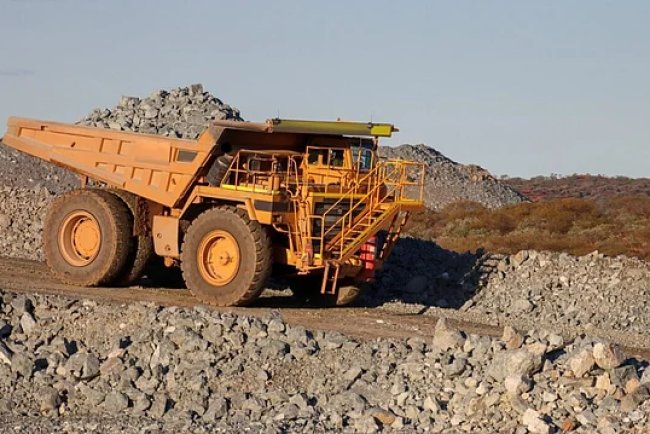
The recipient of the $1 billion financing deal, Glencore, has a number of coal mines, such as the Tweefontein mine in South Africa and the Cerrejón mine in Colombia. Each of these mines has been associated with significant environmental and social issues. The Cerrejón coal mine, for example, has been decried in the past decades for causing air and water pollution in the host communities, with cases of health effects and ecosystem degradation as a result of ongoing open-pit coal mining.
HSBC is one of a group of big European banks — including Barclays and Santander — accused of 2023 violating coal financing commitments, reports TBIJ. On the other hand, lenders such as Lloyds and NatWest were found to have kept their commitments. This has fueled growing frustration for investors and stakeholders who had backed HSBC's public climate commitments.
Investors like Akademiker Pension and Epworth Investment Management have raised concerns regarding the HSBC policy-practice misalignment. These investors are shareholders of HSBC shares and bonds and have come out with their concerns regarding the credibility of the bank and questioned its enforcement of coal policy again. The funding of Glencore, in the context of the company's continued coal expansion, is regarded as a clear violation of both the spirit and the letter of HSBC's previously released commitments.
Criticism is even stronger in the context of the wider recent in-house policy changes within HSBC. The bank is said to have downgraded the rank of its chief sustainability officer to the executive board and has re-tuned its emission-cutting targets. These changes have been viewed by critics as a dilution of the institution's sustainability framework rather than an improvement of climate action goals.
TBIJ's probe, using bank.green data, reveals a wider pattern of banks promising to go green while at the same time investing in the expansion of fossil fuels. For HSBC, the inconsistencies are being viewed as a possible case of greenwashing — when companies present an eco-friendly image but do things that are the opposite of what that image says.
The Glencore deal unlocks the climate risks of coal, long welcomed as among the filthiest of the fossil fuels. Burning coal is one of the largest contributors of greenhouse gas emissions, air pollutants, and ecosystem destruction. Investing in coal ventures, especially those with far-reaching documented social and environmental cost, runs counter to global efforts to shift towards cleaner energies and mitigate climate change.
Glencore's Cerrejón mine in Colombia is a classic example of the problems. As one of the world's largest open-pit coal mines, its operations have disrupted local communities and ecosystems for decades. Reports say that the mine diverted local water streams and polluted them upon withdrawal, leading to water shortages and pollution in the surrounding areas. Residents have suffered respiratory and eye problems due to the 24/7 activity of the mine, providing a human health dimension to the environmental impact.
Even as HSBC insists that it has sustainability risk processes in place and is committed to net-zero emissions by 2050, the recent moves of the bank have been said to be symptomatic of a general credibility deficit, critics argue. The lack of transparency on some client relationships and policy shifts only serves to heighten growing unease among climate-aware investors and observers.
This case has wider implications beyond HSBC, challenging the efficacy of voluntary climate commitments in the financial sector. As climate reporting and sustainability initiatives become more widespread, enforcement and regulatory tools are increasingly needed to separate genuine climate leadership from greenwashing.
The HSBC-Glencore case will certainly be under close scrutiny by regulators, investors, and civil society players calling for stricter climate finance regulation. Because banks are central in guiding the world economy towards low-carbonization, their financing decisions are of great importance in speeding up or derailing the shift to clean energy.
Conclusion
It is fighting a battle with HSBC over its $1 billion lending arrangement with Glencore and the simplicity of reconciling business activity in the financials sector with avowed environmental policy. Despite coal being a top contributor to climate change, contracting in to support a coal-growing company has raised questions over the financing house's green credentials. With the row over greenwashing increasing, the incident serves as a case study of the dangers assumed by banks when words regarding sustainability are not followed through by actions.
Source/Credits:
Source: The Bureau of Investigative Journalism (TBIJ), bank.green
Credits: Mamata Saha for KnowESG, Published May 2, 2025
What's Your Reaction?