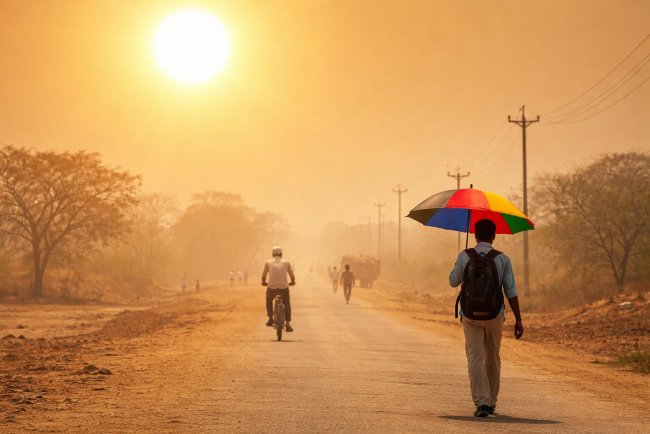
A study by IIT Kharagpur researchers has found that heatwaves in coastal Andhra Pradesh are increasing ground-level ozone concentrations, worsening air quality and creating health risks.

A study by researchers from the Centre for Ocean, River, Atmosphere and Land Sciences (CORAL), IIT Kharagpur has found that heatwaves in Andhra Pradesh not only increase the temperature but also deteriorate air quality by increasing the surface ozone levels, which are published in the journal npj Clean Air.
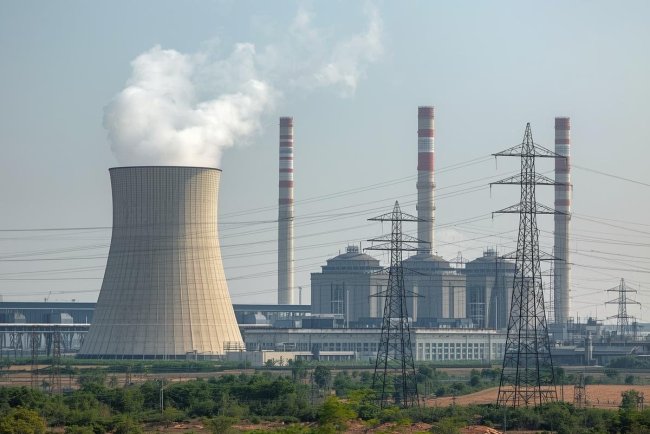
The study showed that during a heat wave, there is a significant rise in the concentration of O3 at ground-level in the climatic region of the east coast (coastal Andhra Pradesh). The sea-breeze flow during hot weather can be reduced, which leads to less fresh sea air to reach the area and to more pollutants remaining in the boundary layer. The reactions of NOx and VOCs (from vehicles, industries, thermal power plants, open burning) etc., along with high solar radiation are responsible for the formation of ground level ozone. The scientists discovered that during heatwaves the concentrations of ozone in the region were 14-25% higher than the WHO guideline for ozone level (70 micrograms per cubic metre); in years with more frequent heatwaves, this increase was 5.5 micrograms per cubic metre due to reduced sea breezes and stagnant air in the region.
In Andhra Pradesh, coastal areas that are typically benefited by cooling winds from the sea during hot summers may suffer from poor air circulation during extended heatwaves, which may cause accumulation of pollutants. Short-term spikes in O3 pollution may occur during extreme weather events in cities like Visakhapatnam, Vijayawada and other coastal urban centres.
Once the heatwaves are over, ozone levels may stay high, posing a risk of developing chronic obstructive pulmonary disease and ischaemic heart disease, warned researchers Parambat Sangeetha and Jayanarayanan Kuttippurath. Children, outdoor workers, people with pre-existing respiratory issues and the elderly are at the greatest risk.
The scientists said policies must be combined and the measures taken should be both for climate change and air pollution, as the region is also witnessing a rise in the occurrence of both phenomena.
What's Your Reaction?