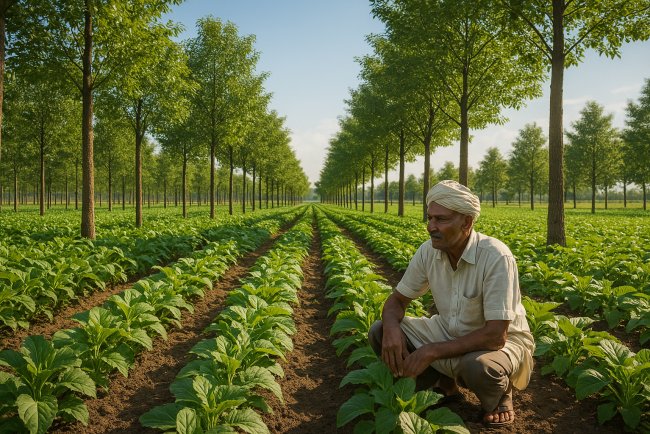
India and Australia are collaborating through the Hyderabad Smart Farm Network to promote climate-resilient agriculture using AI-driven technologies and sustainable farming solutions.
India is the top contending country to strengthen ties with the Hyderabad Smart Farm Network for cultivation of climate-smart agriculture.
Cooperation is taking a new form as India and Australia work together to promote climate-resilient agriculture with the creation of a Hyderabad Smart Farm Network, which is designed for sustainable agriculture and to promote food security in the face of escalating environmental hazards.
The partnership entails collaboration among scientists, policy makers and agri-expert villagers of both nations to implement sophisticated technologies, data systems and smart solutions to assist the farmers in adapting to the fluctuating climate conditions. The project aims to create tools and strategies that can increase the productivity of crops, improve water use and increase the adaptability to droughts, floods or other climatic conditions that now threaten crops on agricultural lands.
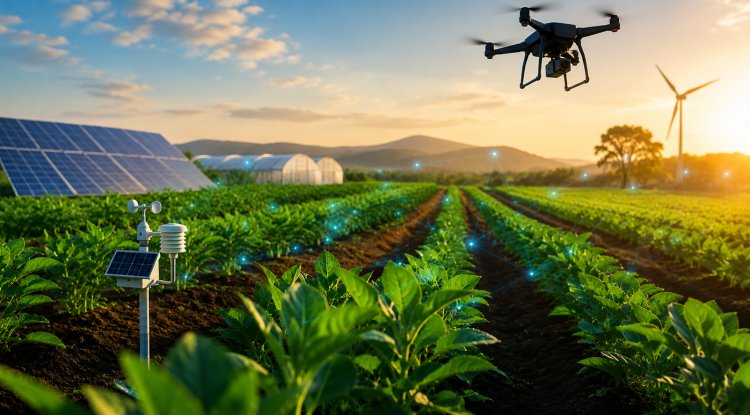
The Hyderabad Smart Farm Network will also utilize AI-powered systems like remote sensing and real-time monitoring and forecasting to give discernible data for the farmers and decision-makers. The network includes incorporating forecast and soil information and crop indicators in order to remove uncertainty, cut input costs and enhance yields for small and marginal farmers.
The officials of the Government of India's Ministry of Agriculture and the Australian
Government's Department of Agriculture pointed out that the partnership is the fruition of their mutual desire to ensure sustainable agricultural development and climate action. The collaboration is very close with other bilateral assistance provided for the research, innovation and exchange of knowledge on issues of concern for both nations such as water scarcity, land degradation and variations in monsoon patterns.
Such intelligent farming networks have the potential to be a key enabler for farmers in
embracing more sustainable and resource-efficient agricultural practices that can lessen environmental impact and enhance agricultural profitability. Technology to address climate stresses can help increase the potential of farmers to make more informed decisions regarding planting dates, irrigation, pest management and harvest strategies.
It also features capacity-building elements like training programs, farmer smartphones and joint research initiatives that promote the adoption of sustainable practices on a wider scale. India and Australia intend to showcase how the benefits of digital agriculture can gradually improve rural livelihoods and contribute to national objectives of sustainable development.
The Hyderabad Smart Farm Network is just one promising example of how collaboration and the powerful application of technology can contribute to the food system's resilient
transformation, and a model that has the potential to inspire other regions to follow suit in addressing the growing threats of climate change to food systems around the world.
What's Your Reaction?