Double the Power: Two-Headed Semi-Truck Set to Revolutionize Shipping
A two-headed semi-truck design aims to revolutionise shipping by improving efficiency and reducing emissions, despite mixed reactions to its unconventional appearance.
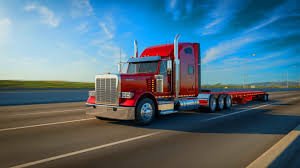
A new two-headed semi-truck design has sparked debate online due to its unconventional appearance, but it promises to revolutionise shipping by improving efficiency and reducing environmental impact. The innovative vehicle is part of efforts to make freight transport more sustainable.
The semi-truck, featuring cabs at both ends, eliminates the need for turning around, saving time and fuel on long-haul routes. This design reduces idling and optimises logistics, potentially lowering carbon emissions. The vehicle’s structure allows it to operate in either direction, streamlining operations at loading docks and reducing manoeuvring space. Early tests suggest it could improve fuel efficiency by up to 10%, addressing the shipping industry’s significant contribution to global emissions.
The design has divided opinions, with some praising its ingenuity and others criticising its unusual look. Supporters argue it aligns with the push for greener transport solutions, as the shipping sector faces pressure to meet stricter environmental regulations. The truck incorporates electric or hybrid power options, further reducing reliance on fossil fuels. Companies testing the vehicle aim to integrate it into fleets by 2027, with potential for widespread adoption if trials succeed.
Challenges include higher manufacturing costs and the need for driver training to operate the dual-cab system. Infrastructure adjustments, such as modified loading docks, may also be required. Despite these hurdles, the design could set a new standard for sustainable freight transport, supporting global efforts to combat climate change.
In conclusion, the two-headed semi-truck offers a bold solution to enhance shipping efficiency and sustainability. While its appearance has sparked debate, its potential to reduce emissions and streamline logistics makes it a promising innovation for the future of freight transport.
Source: Sustainability Times
What's Your Reaction?