India boosts oil palm farming under NMEO-OP to increase domestic crude palm oil production and reduce import dependency.
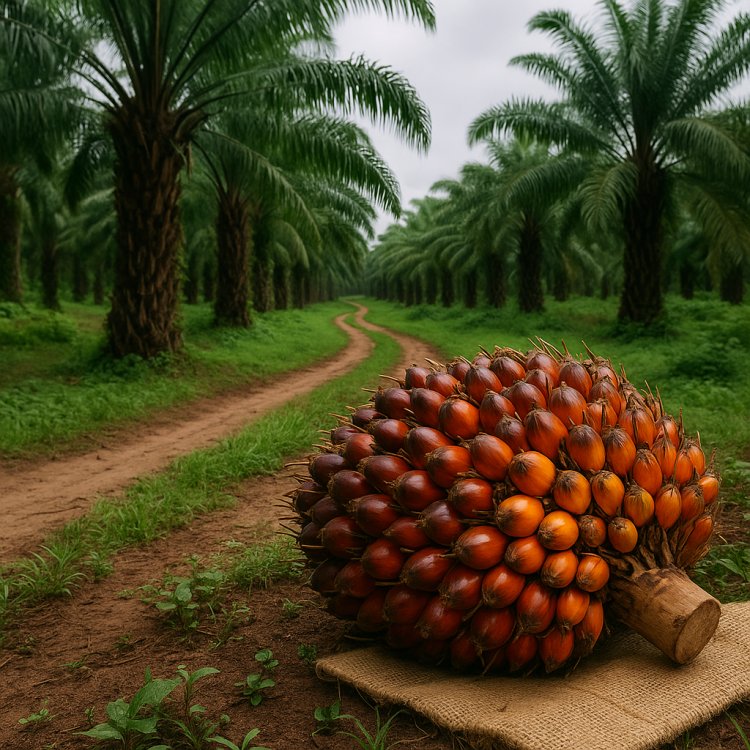
India presently cannot produce sufficient edible oil to cover the needs of its population. To compensate for this shortfall between production and demand within the country, the nation must depend on imports of Crude Palm Oil (CPO). But the Government is striving to minimize this dependence and ultimately attain self-sufficiency in edible oils.
To achieve this objective, The Government is implementing a centrally sponsored scheme National Mission on Edible Oils - Oil Palm (NMEO-OP) for the period 2021-22 to 2025-26. The mission aims at increasing oil palm production throughout the country. In March 2025, an additional 1.89 lakh hectares have been brought under oil palm under the scheme, taking the total area cultivated to 5.56 lakh hectares across the country. This growth has reflected directly in production. Crude Palm Oil production has increased substantially from 1.91 lakh tonnes in 2014-15 to 3.80 lakh tonnes in 2024-25.
To guarantee a fair price for farmers planting oil palm, the government has put in place a system where states announce a monthly "Formula Price." This is the price at which industries within the region are required to buy Fresh Fruit Bunches (FFBs) from farmers. Also, to cushion farmers from precipitous declines in global prices, the central government fixes a "Viability Price." If the Formula Price ever dips below this Viability Price, the difference is given to the farmers as part of a support mechanism called Viability Gap Payment (VGP).
It should also be pointed out that oil palm trees have a gestation period of a few years. They can start producing fruits in the fourth year, and by the eighth year, they are at peak productivity. With increasing plantations developed under this mission ready to mature in the next few years, India's crude palm oil output is bound to witness a sharp increase. This will not only boost domestic supply but also cut down on the import requirement.
What's Your Reaction?