UNEP and GCF Fund Climate Adaptation Projects in Ghana, Maldives, and Mauritania
GCF and UNEP have approved over US$120 million for climate adaptation projects in Ghana, Maldives, and Mauritania. The projects focus on early warning systems, water security, land restoration, and climate-resilient agriculture to help over 3.5 million people adapt to worsening climate impacts.
The Green Climate Fund (GCF) has provided more than US$120 million of new climate adaptation finance to Ghana, the Maldives, and Mauritania. The projects, designed by the UN Environment Programme (UNEP) in partnership with national governments and institutions, will improve climate resilience through solution-adapted strategies like nature-based solutions, climate-resilient agriculture, early warning systems, and enhanced water security.
Ghana's northern areas are being more and more impacted by unpredictable rainfall, longer more severe dry spells, and destructive floods, which affect local economies and smallholder farmers. The US$70 million program, out of which US$63 million will be provided from a GCF grant, will target enhancing resilience to climate in 120 communities in eight districts in the North East, Upper East, and Upper West regions. The project encompasses the rehabilitation of 28,000 hectares of degraded land by erosion and bush fires, enhancing access to early warning systems and climate information, and promotion of dry-season agriculture by the construction of water reservoirs. Roll-out by the Environmental Protection Agency and the Ghana Meteorological Agency will benefit directly 619,000 individuals and provide early warning services to approximately 2.9 million. In addition, 120,000 people will enjoy enhanced food security from the use of climate-resilient agriculture practices.
The Maldives climate change is highly dangerous with a rise in sea levels, storm surges, flooding, and heatwaves. With almost 80 per cent of its 1,192 islands being below a metre above sea level, the nation is experiencing growing threats to its people, economy, and infrastructure. The new US$25 million programme, Toward Risk-Aware and Climate-Resilient Communities (TRACT), aims to strengthen multi-hazard early warning systems and strong national climate services. Under the five-year project, it will assist in the roll-out of the Maldives' roadmap to meet the objectives of the Early Warnings for All initiative. Over half a million individuals will see enhanced early warning coverage to enable communities to prepare and lower climate-related risk exposure.
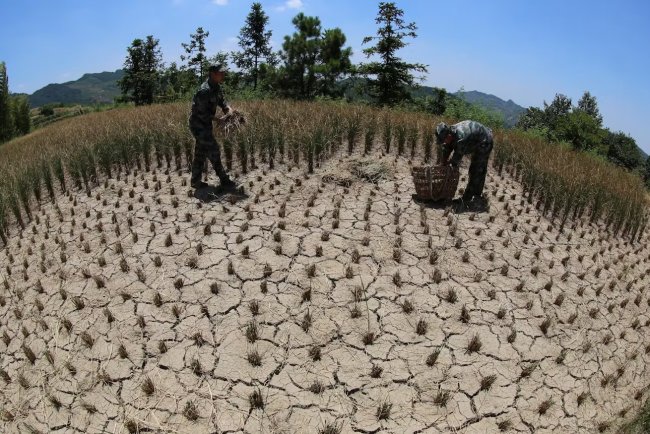
Worsening droughts, sand encroachment, and water shortages persist along the Sahel-Sahara corridor in Mauritania. These have degraded agriculture, boosted dune migration, and put pressure on critical infrastructure. A US$33 million investment of a US$30 million GCF grant will respond to the aforementioned challenges in four vulnerable sub-sites: Aoujeft, Rachid, Tamcheket, and Nema. The project aims to restore ecosystems, enhance water supply for agriculture, and enhance local capacities for climate-resilient agriculture. Activities involve installation of green-grey infrastructure to stabilize dunes and manage sand movement, land rehabilitation for agriculture, and incentivization of practices to enhance crop yields and food self-sufficiency. It is guided by Mauritania's Ministry of Environment and Sustainable Development and has a direct benefit of 85,000 persons, while benefits from resilience include an additional 145,000. It also adds to the overall objectives of the African-led Great Green Wall, which targets the prevention of desertification in Africa.
All three projects emphasize the necessity for multinational investment and cooperation in locally initiated climate adaptation projects. Targeting the poorest countries, these projects are designed to establish feasibility and scalability of long-term solutions in alignment with country climate plans and global targets for resilience.
Financing and project planning is GCF's mandate under the Paris Agreement to support developing nations to move towards climate-resilient development trajectories. UNEP engagement ensures mainstreaming of environmental priorities and assists in translating knowledge into practice, for instance, science inputs into pragmatic, on-the-ground adaptation measures.
The initiatives will cut exposure by millions of people and enhance their capacity to adapt to climate hazards. They also provide a model for how nature-based solutions and increased access to early warning information can minimize exposure and enhance readiness among vulnerable populations. Whereas climate itself is worsening, these initiatives are top investments in safeguarding livelihoods, agricultural systems, and national assets.
With GCF finance and UNEP technical assistance, the projects are designed to achieve long-term resilience and sustainable development impacts. They are also successes in channelling climate finance to where it is most critically needed, particularly in Small Island Developing States and the Sahel. The blend of community engagement, government leadership, and external assistance in the projects is a model for scalable climate adaptation in the Global South.
Source:
UN Environment Programme (UNEP), 6 July 2025
Published by UN Environment Programme
Project information: Green Climate Fund
What's Your Reaction?