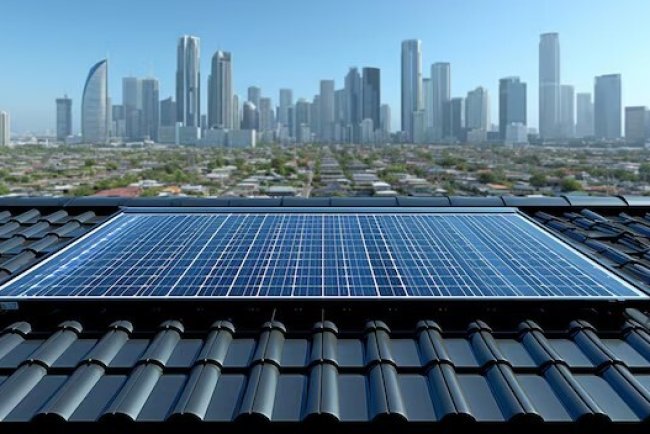
India streamlines mining clearances for critical minerals—including lithium, nickel and cobalt—using digital protocols to speed up approvals while maintaining strict environmental oversight for energy transition security.
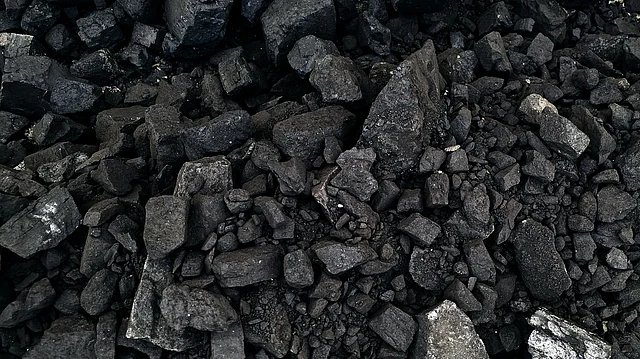
India's trying to get its act together on mining for vital minerals. It wants to make sure it has what it needs for the energy transition and important industries, but without wrecking the environment.
What's new? The government's sped up approvals for mining projects for key minerals on the Parivesh 2.0 online portal. They've also changed the rules, so things move faster, but still within the legal safety net.
Why bother? India really needs stuff like lithium, cobalt, nickel, tungsten, titanium, and graphite for clean energy, defence, electronics, and factories. Demand is going to skyrocket by 2030. The problem? India has to import almost all of it, mainly from China. Kirti Vardhan Singh, a minister for environment, told Parliament the new fast track on Parivesh 2.0 started in March. This was after the mines ministry asked for it, and some laws were changed in 2023. Now, the government can auction off leases for 24 minerals they've decided are critical. They've already auctioned 34 blocks across the country, which should kick off new mining projects in certain states.
The revised process doesn't skip environmental checks. Projects still need to follow the Forest Conservation Act (1980) and Environment Impact Assessment (EIA) Notification (2006). The online portal just makes things clearer and quicker. No one gets a free pass. mining has environmental risks.
Other changes are happening too. For things like highways and railways, companies can dig up ordinary earth without extra environmental approvals, as long as they follow certain EIA rules. This should help with infrastructure projects without cutting corners.
India also wants to tap into old mining leases that aren't being used. They're going to change the rules, so if companies find other important minerals while they're digging, they can mine those too. This could bring back value from mines that were only used for one thing before.
Even with all of this, a recent report says India still relies totally on imports for lithium, nickel, and cobalt. Demand is expected to double by 2030, but it could take over ten years for domestic mining projects to get up and running. That's why India is planning new benefits for mineral processing, looking at mining in other countries, and trying to buy assets overseas.
India is also working more with other countries, especially the US, Japan, and Australia, to get a mix of mineral sources and build good recycling systems. The government has created a special team to coordinate investment, exploration, training, and recycling programs. All this is to become self-sufficient and have a stable supply chain.
Environmental groups are happy about the faster approvals and online tracking but still want strong safeguards. Everyone agrees that mining can't destroy biodiversity, forests, or harm communities. The new Parivesh portal, audits, and environmental management plans are now standard.
For India, getting these minerals is about the economy, tech, and security. It's a key part of moving away from fossil fuels and becoming a leader in renewable energy, advanced manufacturing, and defence. By keeping environmental standards high and making approvals faster, the changes should create a responsible and quick growth in this crucial industry.
What's Your Reaction?