The government has issued an advisory stating there is no cause for panic over the May heat conditions, urging preparedness and reliance on IMD forecasts.
There is no need to panic about the heat expected in May, as the government has said that one must take necessary precautions and keep themselves updated about the weather.
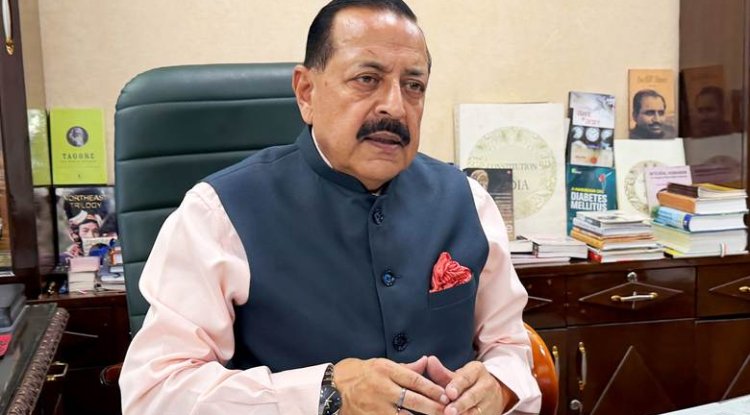
According to Union Minister Jitendra Singh, although there will be higher temperatures than normal and heatwaves in some areas, this does not apply to the entire nation. He further added that the effects could be reduced through preparedness and heeding the advice issued by the India Meteorological Department.
As per the latest prediction, certain areas in South Peninsular India, northeast and northwest India will witness an increase in temperature during daytime. However, there will be normal to below-normal temperatures in certain areas in the month of May. Moreover, nighttime temperatures in various places are predicted to be higher than the average.
Heatwaves will persist in certain pockets of India, such as the foothills of the Himalayas, the east coast, for example, Odisha and coastal Andhra Pradesh, Gujarat, and Maharashtra. There will be two to four extra heatwave days in these regions than what is expected.
The forecast indicates that temperatures may increase during the second and fourth weeks of May in northwest, central, and western India, as well as along some portions of the east coast. The first and third weeks are predicted to be comparatively mild, owing to rainfall and cloud cover associated with western disturbances and thunderstorms.
It was pointed out that hot nights might make things worse, especially in urban areas and on the coasts. Warm and humid weather is also likely in certain regions of the East Coast and western India.
According to the officials, there are plans in place to work with the administrations at the state and district levels for adequate preparation, such as ensuring the availability of clean drinking water, cooling facilities, and electricity. The measures would be concentrated mainly on vulnerable communities such as senior citizens, children, and those engaged in outdoor activities.
With respect to agriculture, the conditions continue to be largely conducive to late rabi crop harvesting in northern and north-western regions. Crops of summer, including rice, corn, and beans, could face challenges in certain parts of southern and north-eastern India.
On improving weather prediction, the government highlighted better forecasts for planning and preparedness purposes.
What's Your Reaction?