India’s National Chintan Shivir examined environmental trade measures, WTO rules and their implications for future trade agreements amid evolving global regulations.
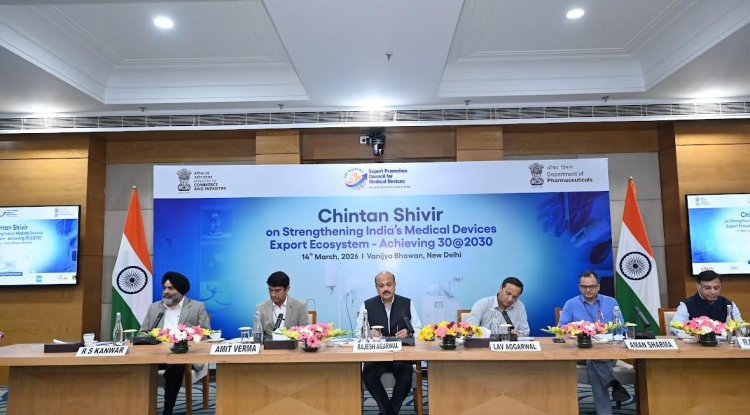
A two-day National Chintan Shivir on “Environment-Related Non-Tariff Measures: WTO Rules and Their Implications for Free Trade Agreements (FTAs)” was inaugurated in New Delhi on June 22, with a view to discussing emerging environmental sustainability challenges in trade. Policymakers, trade professionals, industry representatives, and practitioners from the international community gathered at the event.
The workshop, organised by the Department of Commerce along with the Centre for WTO Studies (CWS) and Centre for Research in International Trade (CRIT) at the Indian Institute of Foreign Trade (IIFT), is designed to boost India's preparedness to face the increasing number of environmental and climate-related trade measures being introduced globally. Such measures, which frequently take the form of non-tariff barriers, are having an increasing impact on market access and export competitiveness.
These discussions will focus on examining the implications of environment-specific NTMs against the rules and regulations of the WTO and how it works with the free trade agreements of India. The areas that will be discussed under these pillars are as follows: Technical Barriers to Trade (TBT), Sustainability-specific regulations, Carbon and deforestation-specific trade issues, and how to tackle these issues using multilateral and bilateral trade mechanisms.
Pritam Banerjee, Head of Centre for WTO Studies welcomed the participants with a message on the opening of the session and Richa Prakash Choudhary, Deputy Secretary, Department of Commerce welcomed the participants with a message. Joint Secretary Ujjwal Kumar Ghosh stressed on the importance of proactively positioning India's trade policy in harmony with the changing global sustainability standards while protecting the export interest.
Chintan Shivir consists of numerous expert participants such as representatives from the WTO, past chairs of WTO committees, accreditations experts, legal experts, and trade policy experts. The objective of these participants is to create policies that will help make sure that Indian goods have access to foreign markets, stay competitive in foreign markets, and practice sustainable trade.
The results of the workshop are anticipated to be useful for India in its negotiations with the WTO in the light of changes in the international regulatory environment.
What's Your Reaction?