India in Talks with States for Signing PPAs for 40 GW Renewable Energy Capacity
India is negotiating with states to sign power purchase agreements (PPAs) for 40 GW of renewable energy capacity. The initiative supports India's clean energy goals and prepares the country for rising power demand in the coming years.Union Minister Pralhad Joshi announced that India is in talks with states to sign PPAs for 40 GW of renewable energy capacity. The initiative aims to enhance India's clean energy capabilities and meet growing power demand through innovative solutions and solar energy adoption.
India is advancing its renewable energy goals with significant efforts to sign power purchase agreements (PPAs) for 40 GW of clean energy capacity.
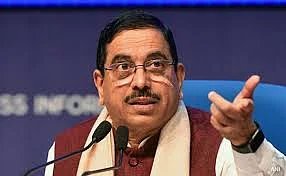
India is in the process of negotiating with states for the signing of power purchase agreements (PPAs) for renewable energy (RE) projects aimed at a combined capacity of 40 gigawatts (GW). The initiative, spearheaded by Union Minister for New and Renewable Energy Pralhad Joshi, seeks to accelerate the nation’s clean energy transition and provide long-term power offtake agreements to boost renewable energy production.
In 2024-25, India successfully added 29.52 GW of renewable energy capacity to its grid, showcasing the country’s commitment to expanding its renewable energy infrastructure. The country's power demand, especially peak power demand, is expected to rise significantly in the coming years. The Ministry of Power projects that peak demand will double by 2032, from the current level of around 250 GW. In May 2024, the peak power demand reached an all-time high of 250 GW, and it is anticipated to touch 270 GW during the upcoming summer season.
In response to the growing demand for energy, the Indian government is focused on developing innovative strategies to maximize the generation of solar energy, particularly by utilizing available land resources more effectively. The country’s energy ministry is also promoting creative solutions, such as integrating solar energy generation into building materials. One example is the use of glass that can generate solar energy, which could be especially useful for high-rise buildings where space for traditional solar panels is limited.
Additionally, the government has been successful in promoting rooftop solar installations through the Pradhan Mantri Surya Ghar Muft Bijli Yojana. Under this initiative, over 12 lakh (1.2 million) households across India have already installed rooftop solar systems, contributing to the country’s renewable energy efforts.
The negotiations for PPAs are part of India's broader goal of transitioning to a more sustainable energy future. By securing long-term agreements with states, the government aims to stabilize the market for renewable energy while ensuring a steady supply of clean energy. The push for renewable energy aligns with the nation's environmental commitments and the global transition toward reducing reliance on fossil fuels.
In conclusion, India is taking significant strides toward its clean energy goals by negotiating for 40 GW of renewable energy capacity through PPAs with states. As the demand for power continues to rise, innovative solutions, including solar energy integration in buildings and accelerated rooftop solar adoption, will be critical in achieving the nation’s energy and environmental objectives.
Source: PTI
What's Your Reaction?