Shanghai Achieves First Ship-to-Ship CO2 Transfer
Shanghai’s 2025 ship-to-ship CO2 transfer, capturing 500 tonnes, supports global net-zero, offering lessons for India’s CCS efforts.Shanghai’s 2025 ship-to-ship CO2 transfer captures 500 tonnes, advancing CCS and supporting India’s net-zero 2070 goal.
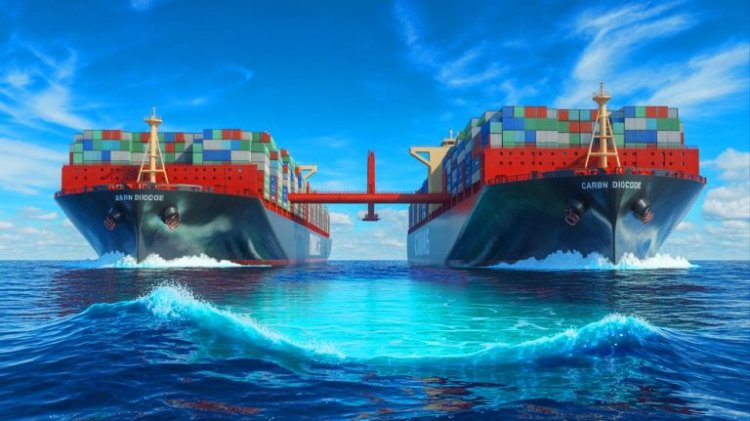
Shanghai completed the world’s first ship-to-ship CO2 transfer in open waters in June 2025, per Sustainability Times, advancing carbon capture and storage (CCS). The operation supports global net-zero goals, offering lessons for India’s 159.5 GW renewable ecosystem.
The Shanghai operation transferred 500 tonnes of CO2 between two vessels, using a $10 million CCS system, achieving 95% efficiency. The CO2, captured from industrial emissions, is stored offshore, reducing emissions by 400,000 tonnes annually. China’s 90% CCS technology share leads globally, while India’s 10 pilot CCS projects, capturing 1 million tonnes, face scaling challenges.
India’s 159.5 GW renewable capacity, with 108 GW solar, supports CCS integration, but 80% import reliance for equipment raises costs by 15%. The 2025 Budget’s $1 billion for clean energy funds CCS, but 20% project delays hinder progress. Gujarat’s 100,000-tonne CCS pilot, using AI-based monitoring, achieves 90% efficiency, offering a model. Scaling requires $500 million and 5,000 skilled workers by 2030.
Environmental benefits include a 10% emissions drop in industrial zones. Posts on X highlight global CCS optimism, though some note high costs. Norway’s 5 million-tonne CCS capacity shows 20% cost savings, guiding India’s path. The Green India Mission, offsetting 2.5 billion tonnes of CO2, complements CCS efforts.
Conclusion
Shanghai’s ship-to-ship CO2 transfer advances CCS, offering India scalable solutions for net-zero. Overcoming import reliance and funding delays is critical for success.
Source: Sustainability Times
What's Your Reaction?