India has achieved key renewable energy milestones ahead of schedule and is now targeting 500 GW of clean energy capacity by 2030, highlighting rapid expansion and remaining challenges.

India is one of the few countries to have successfully fulfilled its renewable energy targets before the stipulated timeline and aims to achieve a total clean energy capacity of 500 gigawatts by 2030, as stated by authorities.
In line with its commitments regarding renewable energy, the country has already fulfilled some of them well before the set date. India has successfully met around 50 per cent of its installed electricity capacity from non-fossil fuels before 2030. Such a development makes the country rank highly among the other G20 nations concerning climate change targets.
The authorities claim that the upcoming goal will be increasing capacity with regard to achieving the 500 GW capacity. The target is an indication of the nation's commitment towards its global climate targets, including those of COP26, where the country pledged to meet at least half of its total energy needs through renewables by 2030.
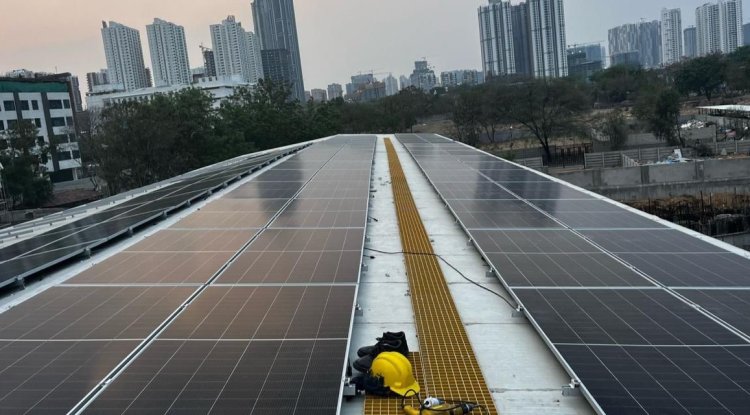
India has been successful with respect to increasing its renewable energy capacity over the last ten years, mostly solar energy and wind energy. As a matter of fact, solar energy is expected to comprise a considerable portion of total energy; estimates suggest up to 280 GW by 2030.
However, any further growth will necessitate more rapid annual capacity increases and infrastructural upgrades. The priority areas in question include transmission network development and energy storage capabilities creation.
As per current sources, renewable energy forms a larger portion of total energy-generating capacity, yet fossil fuels are the dominant source of electricity generation. This highlights the problems linked with meeting the rising energy demand and reducing the carbon footprint simultaneously.
As mentioned by officials in India, there will be a need for sustained effort in technology development and policy-making to meet the objectives by 2030. Additional expansion is connected to efforts geared towards securing energy sources.
India's objective of achieving 500 GW of clean energy capacity by 2030 forms an integral part of the energy transition strategy in India.
What's Your Reaction?