India Must Prioritize Indigenous Battery Innovation
India aims for battery self-reliance to support its EV and clean energy goals. Minister Jitendra Singh stresses indigenous innovation to cut import dependency.India’s clean energy future hinges on domestic battery tech. Govt initiatives like PLI aim to cut imports, build giga-factories, and drive green innovation.
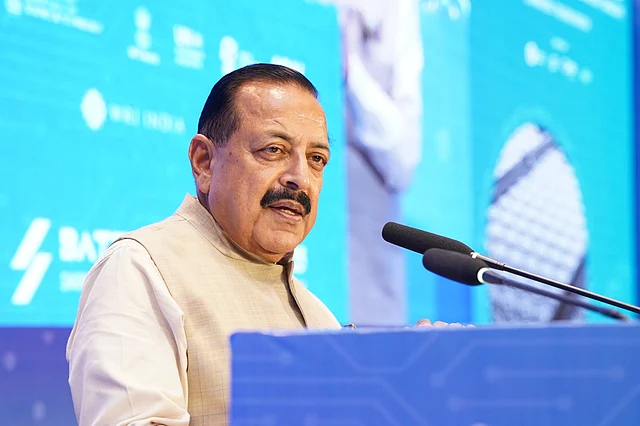
India’s clean energy ambitions hinge on developing a self-reliant battery ecosystem, as emphasized by Dr. Jitendra Singh, Minister of State for Science and Technology. Indigenous innovation in battery technology is critical to reducing import dependency and supporting the country’s net-zero target by 2070.
Batteries are the backbone of India’s electric vehicle (EV) and renewable energy sectors, powering everything from electric cars to solar energy storage systems. Currently, India relies heavily on imported lithium-ion batteries, primarily from China, which poses risks due to supply chain disruptions and geopolitical tensions. Developing domestic battery technology is essential to ensure energy security and meet climate goals. The government has launched initiatives like the Production Linked Incentive (PLI) scheme for advanced chemistry cells, aiming to establish 50 GWh of battery manufacturing capacity in India. This program incentivizes companies to set up giga-factories, which could reduce costs and create jobs.
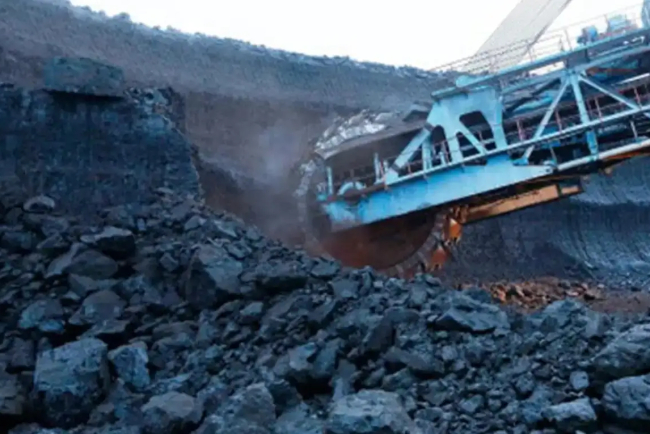
However, India faces significant challenges in building a robust battery ecosystem. The country lacks advanced R&D facilities for next-generation batteries, such as solid-state or sodium-ion technologies, which are more sustainable and cost-effective. Additionally, the absence of domestic processing capabilities for critical minerals like lithium and cobalt limits self-reliance. To address this, the government is promoting exploration of local mineral deposits, such as lithium in Jammu and Kashmir, though these efforts are still in early stages.
The Battery Summit 2025, organized by NITI Aayog and the United Nations Environment Programme (UNEP), will bring together policymakers, researchers, and industry leaders to chart a path for battery innovation. The summit aims to foster collaboration on developing sustainable battery technologies and recycling systems. A circular economy for batteries, where used cells are recycled to recover materials, is a key focus area. This approach could reduce India’s reliance on imported raw materials and minimize environmental impact. The government is also investing in skill development programs to train engineers and technicians in battery manufacturing and recycling.
Another challenge is the need for a reliable power grid to support EV charging and energy storage systems. India’s grid is still heavily coal-dependent, which undermines the environmental benefits of EVs. Scaling up renewable energy sources, such as solar and wind, is critical to ensuring that batteries contribute to emission reductions. The government’s renewable energy target of 500 GW by 2030 is a step in this direction, but achieving it requires significant infrastructure investment.
India’s EV market is growing, with electric two-wheelers and three-wheelers gaining traction in urban areas. Policies like the FAME scheme have boosted adoption, but scaling production to meet demand depends on a strong battery supply chain. The government is encouraging public-private partnerships to accelerate innovation and attract foreign investment in battery manufacturing. By fostering a domestic ecosystem, India aims to become a global hub for battery production, competing with countries like China and South Korea. Long-term success will require sustained policy support, increased R&D funding, and international collaboration to access cutting-edge technologies.
Conclusion
India’s journey toward a sustainable energy future depends on building a self-reliant battery ecosystem. By investing in indigenous innovation, recycling systems, and renewable energy, the country can reduce import dependency and achieve its climate and economic goals.
Source and Credits: Outlook Business
What's Your Reaction?