India Plans Climate-Linked Insurance for Automatic Disaster Payouts
India is developing a nationwide climate-linked insurance system that will use real-time weather data to trigger automatic payouts for disaster-affected people.
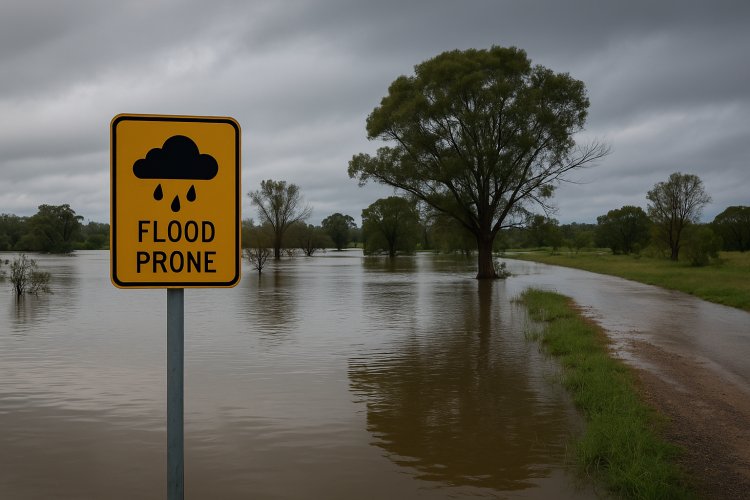
India is planning to a nationwide climate-linked insurance scheme that will automatically pay money to affected people after disasters such as floods, droughts or heatwaves. This initiative works on a parametric insurance model which means payments are based on measurable weather data rather than lengthy damage assessments. For example, if the rainfall or temperature crosses a certain level then the payment will be released automatically.
If this plan will be implemented, India could become one of the first major economies to adopt a national-scale parametric insurance system, marking a paradigm shift in disaster management.
Why it is important
India is one of the most climate affected countries in the world and ranks sixth globally in climate vulnerability. Since 1993, the country has faced extreme weather events with more than 400 major weather disasters like floods, heatwaves and landslides. These disasters have taken life of 80,000 people and nearly 180 billion dollars in economic losses. India’s disaster relief funds are under pressure because of these events which are happening more often and getting more severe.
In this initiative, insurance money will be automatically released when weather data goes beyond a set limit. This means no need to wait for officials to check and confirm the damage, the data itself will act as a proof and people will get faster help after disasters.
Government bodies such as the National Disaster Management Authority (NDMA), the Finance Ministry, and GIC Re along with several insurance companies are discussing and exploring funding models. They are discussing how to fund this new insurance system. The two main ideas are being considered are using money from existing funds and micro deductions from utility bills to subsidize premiums.
Ongoing experiments
Some states like Rajasthan, Gujarat and Maharashtra have already tested this concept and around 50,000 self employed women received payouts automatically when the temperature in their area exceeded 40 degrees Celsius. In Nagaland, the government received India’s first parametric payout of 119,000 dollars after extreme rainfall. In the same way, Kerala’s dairy federation started an insurance plan for cattle farmers which provides compensation if extreme heat reduces milk production.
What makes it Unique
This new insurance system is very different from traditional disaster relief. It is quick and automatic. The system uses real time data from weather stations and payouts instantly. It reduces burden on government disaster funds. It gives local bodies and small business owners more control over their recovery money instead of waiting for approvals. In the future it can use AI and climate models to predict high risk zones. Experts also believes that this could evolve into a climate risk index for every district, linking how well a state is protected with its sustainability performance, ESG ratings and urban climate adaptation budgets.
India’s plan for climate-linked insurance is more than just a new policy toward the future of climate protection. While India prepares for COP30 climate summit, this project demonstrates the way technology, insurance and sustainability can join hands to safeguard individuals. If this plan turns out successful, it may be a template followed by other nations like Asia and Africa that are also prone to such catastrophes.
What's Your Reaction?