India Pushes For Revival in Underground Coal Mining
India is boosting underground coal mining with modern technology to boost output, improve safety, and reduce environmental impact.
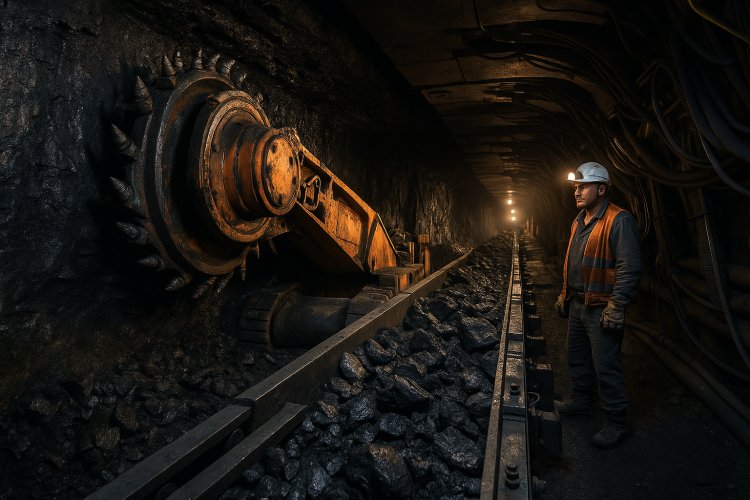
Underground coal mining was once the backbone of India’s coal industry, is regaining attention as the government and industry leaders push for cleaner and more sustainable extraction methods. Underground coal mining is known for causing minimal disturbance to the earth’s surface, underground mining protects vital infrastructure, agricultural lands, forests, and human settlements. It also produces significantly less dust and noise than open-cast mining, while accessing deep-seated, often higher-grade coal reserves that surface mining cannot economically reach.
From an environmental standpoint, Underground coal mining is far better for the environment as it doesn’t disturb much land. Which means less greenhouse gases are released from cutting down trees or damaging the soil. It also avoids displacements of large numbers of people leave their homes which often cause with open coal mining. Additionally, underground mining is less affected by heavy monsoon rain and production of coal remain stable throughout the year.
Recognising these benefits, the government has rolled out a set of incentives to boost underground mining’s share in total coal output, which has dropped from over 15% in the early 1990s to just 3.44% in 2023–24. The latest amendments to the coal mine auction rules include a steep reduction of the revenue share floor to 2% and a complete waiver of the upfront payment for underground blocks. To safeguard these incentives, any block awarded under this scheme cannot be converted into open-cast or mixed mining during its operational life.
Coal companies are now investing in modernisation to overcome underground mining’s historical challenges of lower productivity and higher operating costs. The adoption of mass production technologies such as continuous miners, longwall systems, and automated conveyor haulage is reducing manual labour requirements and improving safety. Several state-owned and private miners are also reviving abandoned underground mines under Mine Development and Operation (MDO) contracts, making use of revenue-sharing models to lower capital risk.
According to Industry experts, India still has huge amount of underground coal, estimated at over 17 billion tonnes which is lying below 300 metres below the surface. Mining this resource could reduce the need for surface mining, particularly in crowded and environmentally sensitive areas. Moreover, underground mining generates small amount of waste dumps as compared to open cast mining, which means less damage to land and less air pollution.
However, there are challenges with underground coal mining. At the beginning it requires higher investment because it need strong infrastructure, skilled workers, proper ventilation systems. Along with, safety is also a concern as there can be risks like explosion of methane gas, fires, roof collapsing. To minimize the risk, mining companies are now using modern technologies such as AI-based gas detectors, remote-controlled equipment and digital maps of the mines. These technologies help to enhance both safety and make mining more efficient.
With these new government policies and modern technological, stakeholders believe underground mining could once again play a strategic role in India’s energy security. If executed well, this method could meet the country’s coal needs while keeping environmental damage and social disruption to a minimum.
What's Your Reaction?