India has secured uninterrupted fertiliser supplies through diplomatic efforts, higher domestic production and timely imports.
India has ensured uninterrupted fertiliser supplies despite severe disruptions to global supply chains by securing alternative imports through timely diplomatic efforts and the restoration of domestic production. The disruptions followed tensions in West Asia that affected shipping through the Strait of Hormuz, a key route for global fertiliser trade.
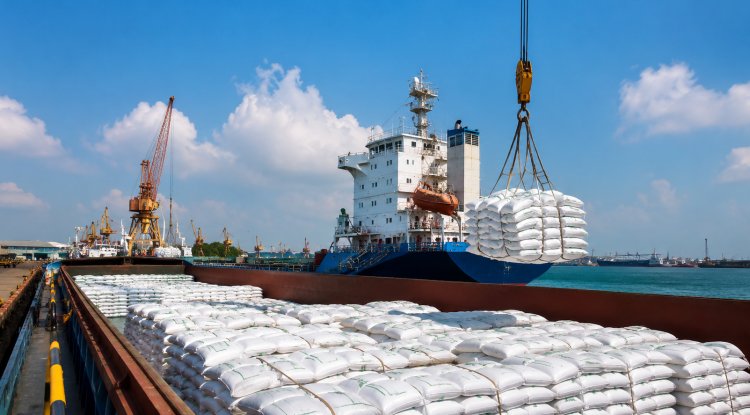
Fifteen vessels carrying fertilisers and raw materials have safely transited the Strait of Hormuz and are on their way to Indian ports as planned. Out of these, eight ships are carrying 3.32 lakh metric tonnes (LMT) of urea, four are carrying 2.57 LMT of DAP, and three are carrying 1.11 LMT of sulphur. Five more vessels are scheduled to arrive, further strengthening the country's fertiliser stocks.
Indian missions abroad played a key role in establishing contacts with new producers and suppliers. A total of 28 missions helped secure alternative sources of fertiliser supplies. India procures urea from Oman, Malaysia, Vietnam, Georgia, Nigeria, Russia, Finland, Egypt, Algeria, Türkiye, and the Netherlands, while DAP and NPK are sourced from Russia, Morocco, Egypt, the United States, Jordan, South Korea, Tunisia, and Saudi Arabia through the Red Sea route.
In India, the supply of natural gas to fertiliser plants, which had dropped to around 65%, has now been fully restored. This has enabled all urea plants to operate at full capacity. During the first quarter of FY 2026–27 (April–June), the country produced 71.55 LMT of urea, exceeding the target of 67.86 LMT by 3.69 LMT. Urea production in May 2026 touched a record high of 25.19 LMT. DAP production also exceeded its target, reaching 9.84 LMT against a target of 8.61 LMT. Production of NPK and SSP during the period stood at 20.77 LMT and 13.50 LMT, respectively.
A total of 197.56 LMT of fertilisers has been procured, accounting for more than 51 per cent of the country's annual requirement of 383.9 LMT. This is expected to ensure an uninterrupted supply of fertilisers during the upcoming farming seasons.
The Union Minister for Chemicals and Fertilisers J.P. Nadda said that “The conflict that began in West Asia severely disrupted global supply chains. Fertilizer prices soared and shipment transit times increased considerably. India was also affected by this global crisis, resulting in challenges in ensuring uninterrupted supplies of fertilizer raw materials and finished fertilizers. However, under the able leadership of Prime Minister Narendra Modi, the Government of India remained vigilant and fully prepared from the very beginning."
What's Your Reaction?