India has urged developed nations to fulfil climate finance commitments and strengthen global cooperation as climate tipping points emerge as a key focus at the Bonn Climate Talks.
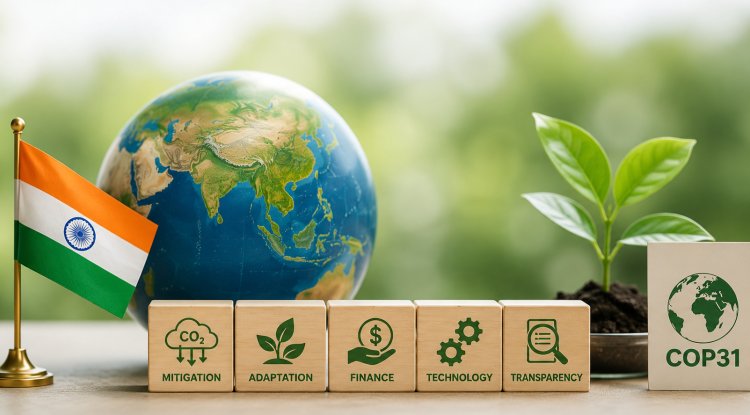
India requested more concrete plans and better implementation of current climate promises at the ongoing Bonn Climate Talks, with climate "tipping points" emerging as a key priority in the discussions. The annual UN climate conference is one of the main preparatory summits prior to the COP31 event later this year.
India emphasized that the global climate agenda is to put into action other commitments made by countries, rather than impose new obligations. The country reiterated the need for developed countries to honor their climate finance pledges and extend substantial financial and technological assistance to developing countries as they are increasingly affected by climate change.
Scientific modeling and research have identified a number of climate systems near tipping points. These cover the melting of polar ice sheets, disruption of ocean currents, thawing permafrost and a general degradation of ecosystems. Crossing these thresholds might lead to irreversible environmental changes that can have large-scale repercussions.
India also emphasised the principle of equity and the fact that "common but differentiated responsibilities" should provide countries with the flexibility in taking climate action in line with their country conditions. It called on rich countries, which have "historically" caused a higher percentage of greenhouse gas emissions to lead the way in cutting emissions and increasing support for other countries.
The outcomes of these discussions will be used by negotiators at the Bonn conference to draft decisions for COP31. But divergent views on climate finance, adaptation financing and responsibility for emissions reductions are significant obstacles to widespread agreement.
India also pointed out that achieving these goals would require transparent implementation of measures, predictable climate finance and stronger international cooperation.
What's Your Reaction?