India's energy storage sector is set to grow five-fold by 2032, attracting Rs 4.79 lakh crore in investments, according to IESA. The expansion supports renewable energy goals and grid stability with increasing adoption of battery and pumped storage technologies.India energy storage, IESA, battery storage India, renewable energy India, pumped storage, NEP 2032, SECI, energy investment India, clean energy, energy transition
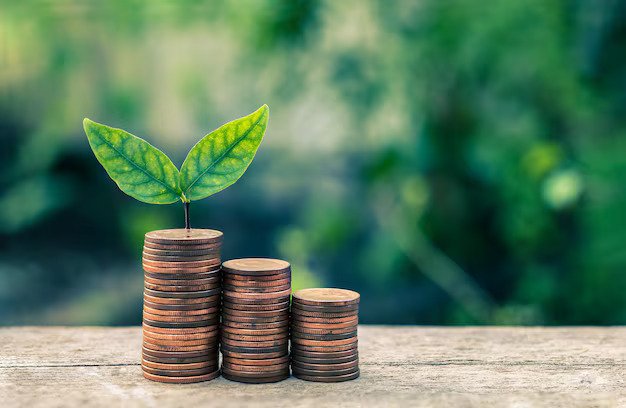
India’s energy storage sector is projected to attract investments worth Rs 4.79 lakh crore by 2032, driven by the rapid growth in renewable energy capacity across the country. The projection was made by the India Energy Storage Alliance (IESA) during the 5th edition of the International Conference on Stationary Energy Storage India (SESI) 2025, recently held in Gandhinagar, Gujarat.
The sector is expected to expand five times between 2026 and 2032, as India moves towards enhancing its grid infrastructure and integrating more renewable energy into the power system. This investment is anticipated to support the development of battery storage systems (BESS), pumped storage projects (PSP), and related infrastructure.
According to the National Electricity Plan (NEP), India is expected to require an energy storage capacity of 16.13 GW by the end of 2026-27. This includes 7.45 GW from PSP and 8.68 GW from BESS, offering a combined storage capacity of 82.37 GWh (47.6 GWh from PSP and 34.72 GWh from BESS). By 2031-32, this requirement is projected to rise to 73.93 GW (26.69 GW PSP and 47.24 GW BESS), with a total storage capacity of 411.4 GWh (175.18 GWh PSP and 236.22 GWh BESS).
This projected growth in storage demand corresponds with India’s ambitious renewable energy targets. States like Gujarat, which already contribute over 30 GW to the national renewable energy capacity, are planning to scale up to 100 GW by 2030. This will significantly increase the need for energy storage systems to stabilize grid operations and manage supply-demand fluctuations in renewable power generation.
The conference featured participation from over 200 industry stakeholders, government officials, and international delegates from more than 10 partner countries. Discussions focused on energy storage policy, market development, regulatory frameworks, and project implementation. Key institutions involved included the Government of Gujarat, Ministry of New and Renewable Energy (MNRE), Central Electricity Authority (CEA), Solar Energy Corporation of India (SECI), NTPC, Gujarat Power Corporation Limited (GPCL), Gujarat Energy Research and Management Institute (GERMI), World Bank, World Economic Forum, and several major private energy companies.
India’s target for storage by 2030 is approximately 500 gigawatt-hours, scaling to 5,000 gigawatt-hours by 2047. These targets reflect the long-term strategy for energy transition and climate commitments, including the target of net zero emissions by 2070.
The energy storage industry is also witnessing a significant decline in technology costs. In the last 2–2.5 years, the cost of energy storage systems has dropped from Rs 10 lakh per MW per month to approximately Rs 2.5 lakh per MW. This trend is expected to continue with advancements in manufacturing and new standards for battery storage systems that are set to be released by the authorities.
India Energy Storage Alliance (IESA), founded in 2012 by Customized Energy Solutions (CES), is focused on supporting the development of energy storage, electric mobility, green hydrogen, and other emerging technologies. The alliance envisions India becoming a global hub for research, manufacturing, and deployment in these sectors.
The strong push from both central and state governments, as well as collaboration with international and private sector partners, highlights the strategic importance of energy storage in India’s energy transition roadmap. As renewable energy scales up across states and sectors, the growth of energy storage infrastructure will play a vital role in ensuring grid stability, energy security, and sustainability.
What's Your Reaction?