India’s ethanol blending programme has expanded significantly in production and usage, while addressing common misconceptions about E20 fuel and aligning with global fuel blending practices.
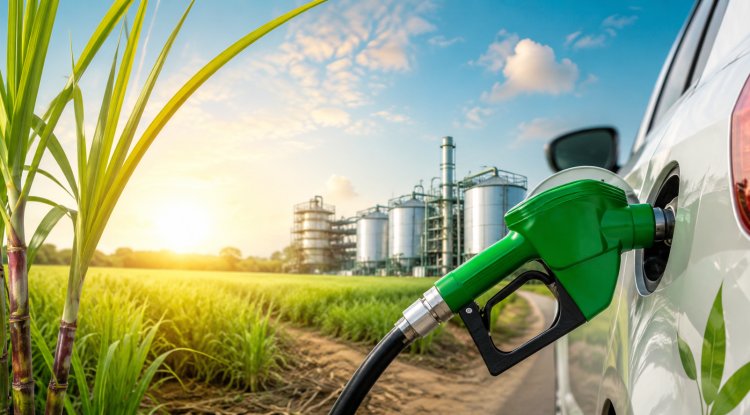
India’s Ethanol Blended Petrol (EBP) Programme has seen an increase in ethanol blending, rising from about 1.5% in 2013–14 to 20% in 2025–26, which is ahead of the originally planned timeline.
Ethanol procurement has increased from around 38 crore litres in 2013–14 to over 1,200 crore litres in 2025–26. Production capacity has also grown from 421 crore litres in 2014–16 to about 2,000 crore litres by 2025–26.
Since India imports about 88.5% of its crude oil needs, this programme has helped reduce dependence on imports. It has saved more than ₹1.90 lakh crore in foreign exchange, replaced over 310 lakh metric tonnes of crude oil, and cut around 930 lakh metric tonnes of CO₂ emissions since 2014–15. It has also given farmers financial benefits of more than ₹1.60 lakh crore.
While all this progress has been made, a number of misconceptions have been prevalent regarding E20 fuel. These have been addressed by industry leaders and testing agencies one by one. Claims of a 30 per cent drop in mileage are misleading, as the figure represents the loss in the calorific value of ethanol, not in real driving situations. Indeed, the octane number of ethanol is about 108.5, compared to 84.4 for petrol, and the E20 blend has an effective octane rating of about 95, which can improve the combustion performance of modern engines. There is no evidence that E20 fuel causes damage to compatible engines, and major manufacturers like Maruti Suzuki, Toyota and Hero MotoCorp have stated that the fuel is safe and has been tested. Vehicles powered by specification-compliant E20 fuel are fully covered by warranties and insurance.
India isn't the only country taking this route. Brazil mandates E27 fuel, while the United States has a nationwide E10 programme, with E15 available in many regions for compatible vehicles. Japan, Canada, Thailand and several European countries have also implemented ethanol blending programmes.
The EBP Programme has further consolidated India's energy security, reduced emissions, helped farmers and moved a step closer to achieving a cleaner and more self-reliant transport fuel ecosystem in India.
What's Your Reaction?