India's EV Cab Sector Hits Speed Bump: High Costs and Charging Woes
India’s EV cab sector faces slowdowns due to high battery costs and limited charging infrastructure, but solutions like fast-charging support the 2030 climate goals.India’s EV cab industry struggles with battery costs and charging infrastructure. Learn how fast-charging and policy reforms can drive sustainable urban mobility.
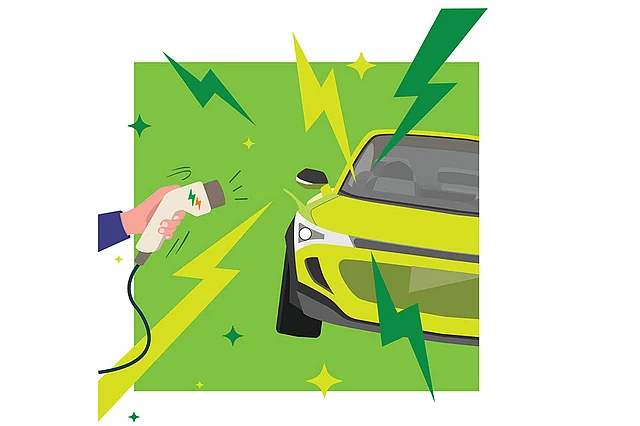
India’s EV cab industry faces a slowdown due to high battery costs, limited charging infrastructure, and policy inconsistencies. Despite government incentives, adoption lags in urban areas. This article explores the challenges and potential solutions for scaling EV cabs in India’s clean energy transition.
India’s EV cab sector, led by companies like Ola Electric and BluSmart, aims to reduce urban emissions through electric mobility. Government incentives, such as the FAME-II scheme, provide subsidies for EV purchases, targeting 30% EV penetration by 2030. However, the sector faces significant hurdles that limit growth.
High battery costs, accounting for 40% of an EV’s price, make cabs less affordable compared to traditional vehicles. Limited charging infrastructure, with only 12,000 public chargers nationwide, causes operational delays for cab operators. Policy inconsistencies, such as varying state-level incentives and tax structures, create uncertainty for businesses.
Urban areas, where EV cabs are most needed, face land constraints for charging stations. Consumer awareness and trust in EVs also remain low, with concerns about range anxiety and maintenance costs. These challenges have slowed adoption, despite India’s goal of reducing transport emissions, which account for 14% of total emissions.
Solutions include fast-charging technologies, like those developed by Exponent Energy, which reduce charging times to 15 minutes. Public-private partnerships can expand charging networks, while standardized battery-swapping systems can lower costs. Government policies, such as uniform EV incentives and urban planning for charging infrastructure, are critical to scaling adoption.
The EV cab sector supports India’s climate commitments, including a 45% reduction in emissions intensity by 2030. By addressing cost, infrastructure, and policy challenges, India can accelerate electric mobility, reducing urban pollution and fossil fuel dependence.
Conclusion
India’s EV cab sector faces challenges like high battery costs and limited charging infrastructure, slowing adoption. Solutions like fast-charging and policy reforms can drive growth, supporting India’s 2030 climate goals and sustainable urban mobility.
Source Outlook Business
What's Your Reaction?