India Introduces Sustainability Indexing for Ships to Advance Green Logistics
India’s Sustainability Index for ships, effective March 2028, shifts from age-based to performance-based criteria, promoting green logistics and reducing maritime emissions.Explore India’s new Sustainability Index for ships, launched to advance green logistics by evaluating vessels on emissions, efficiency, and safety, aligning with net-zero goals by 2070.
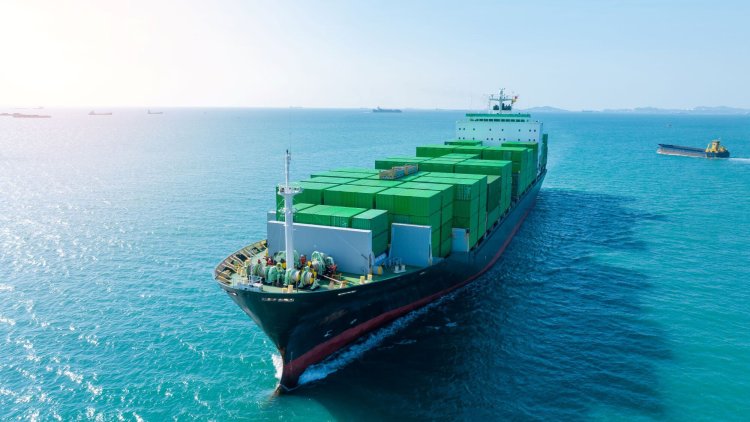
India has launched a sustainability indexing system for ships, shifting from age-based retirement criteria to a performance-based model focused on environmental impact, safety, and efficiency. Effective from March 2028, this initiative aims to bolster green logistics and align with global decarbonization goals. This article explores the policy’s framework, its implications for the maritime sector, and its role in India’s sustainable development.
The Indian government, through the Directorate General of Shipping (DGS), has introduced a 125-point Sustainability Index to evaluate ships based on emissions, energy efficiency, and safety standards, moving away from traditional age-based retirement rules. Announced in May 2025, this policy applies to all vessels, including Mobile Offshore Drilling Units (MODUs) and Special Purpose Ships (SPS), which were previously exempt from such criteria. The index aims to reduce the maritime sector’s carbon footprint, enhance operational efficiency, and position India as a leader in green logistics.
The logistics sector, a critical driver of India’s economy, contributes significantly to greenhouse gas emissions, accounting for approximately 14% of the country’s GDP, well above the global average of 8%. Maritime transport, handling 95% of India’s trade by volume, is a major contributor, with ocean-going ships being the largest source of emissions in the sector. The Sustainability Index addresses this by prioritizing low-emission technologies, such as dual-fuel vessels capable of operating on green methanol or ammonia, which can reduce emissions by at least 65% compared to conventional fuels.
The index evaluates ships on a 125-point scale, with criteria including carbon intensity, fuel efficiency, and compliance with global benchmarks like the Energy Efficiency Existing Ship Index (EEXI) and Carbon Intensity Indicator (CII). Vessels scoring below a yet-to-be-finalized threshold will face retirement or mandatory retrofitting, ensuring only sustainable ships operate in Indian waters. This aligns with India’s National Logistics Policy (2022) and commitments made at COP26 under the “Panchamrit” framework, targeting a net-zero economy by 2070.
Economic impacts are significant. The policy encourages investment in green vessels, boosting India’s shipbuilding industry. The Shipping Corporation of India (SCI) has invited bids for second-hand container ships (12,000–18,000 TEUs) and Indian-built platform supply vessels, aiming to reduce reliance on foreign carriers, which handle 99% of India’s export-import trade. The initiative could create thousands of jobs in shipyards, particularly in states like Tamil Nadu, where green logistics parks are eligible for a 25% capital subsidy under the Tamil Nadu Industrial Policy 2021. However, the lack of response from local shipyards to SCI’s tenders highlights inefficiencies in the tendering process, which may hinder domestic production.
Environmental benefits are central. By prioritizing low-emission fuels and energy-efficient technologies, the index could reduce maritime emissions by 10% by 2030, equivalent to removing 500,000 tonnes of CO2 annually. Ports are adopting renewable energy, with facilities like Mumbai’s Jawaharlal Nehru Port installing solar panels to power operations. Eco-friendly practices, such as waste management and reduced bunker fuel use, align with global calls for cleaner maritime operations, as seen in initiatives like Maersk’s dual-fuel vessel deployments.
Challenges include high costs and infrastructure gaps. Retrofitting or replacing older ships with green alternatives requires significant capital, with dual-fuel vessels costing 20–30% more than conventional ones. India’s shipyards, preoccupied with naval and global contracts, face capacity constraints, as evidenced by SCI’s failed tender in 2023. Regulatory enforcement across diverse state jurisdictions also poses difficulties, with varying levels of adoption for green initiatives like renewable-powered logistics parks in Arunachal Pradesh and Tamil Nadu.
Community engagement is critical. Coastal communities and fishermen, impacted by port expansions and vessel operations, require consultation to address concerns about marine ecosystems. Training programs are being developed to upskill workers in green technologies, such as operating dual-fuel vessels and maintaining renewable-powered port facilities. Public awareness campaigns emphasize the benefits of sustainable shipping, including reduced air pollution and lower logistics costs, which could save companies up to 10% according to studies by the Indian Institute of Management Bangalore.
Globally, India’s Sustainability Index aligns with trends in green maritime practices. Maersk’s commitment to 25% of cargo transported with green fuels by 2030 and FedEx’s electrification of delivery fleets reflect similar priorities. The index supports India’s ambition to improve its Logistics Performance Index (LPI) ranking from 38th in 2023 to the top 25 by 2030, as outlined in Maritime Vision 2030. International collaboration, such as with the International Maritime Organization (IMO), could standardize sustainability metrics, enhancing India’s role in global trade.
Long-term success requires robust implementation. The government is developing digital platforms, like the Unified Logistics Interface Platform (ULIP), to monitor vessel performance and emissions in real-time. Investments in port infrastructure, such as the Western and Eastern Dedicated Freight Corridors, will improve supply chain efficiency, supporting sustainable logistics. Partnerships with private players like Mahindra Logistics, which operates solar-powered warehouses, will drive adoption of green practices across the sector.
The policy also addresses social dimensions. By reducing emissions, it improves air quality in port cities, benefiting public health. Community-led initiatives, such as West Bengal’s Roll-on, Roll-off (RoRo) services on National Waterway-1, reduce carbon footprints by minimizing road transport. These efforts align with Sustainable Development Goals (SDGs) for clean energy, sustainable cities, and climate action, positioning India as a model for balancing economic growth with environmental responsibility.
Conclusion
India’s Sustainability Indexing for ships is a transformative step toward green logistics, aligning maritime operations with global decarbonization goals. By addressing cost, infrastructure, and community challenges, it supports economic growth, environmental sustainability, and public health. Continued investment, policy coordination, and international collaboration will ensure its success, cementing India’s position as a leader in sustainable maritime trade.
Source:Logisticsinsider
What's Your Reaction?