India’s Exports Thrive Amid Trump’s Tariff Challenges
India posts a record $15 billion trade surplus in Q1 2025, boosted by electronics and pharma exports, despite looming US tariffs. Long-term sustainability hinges on infrastructure and trade diversification. India achieved a $15 billion trade surplus in Q1 2025, with exports rising 20% to $120 billion amid US tariff threats under President Trump. Gains in electronics and pharmaceuticals, along with India-EFTA investments and China+1 strategies, drove growth. While US-specific tariffs are delayed, future duties could impact $50 billion in bilateral trade, especially EVs. India’s PM E-DRIVE scheme and ASEAN focus aim to sustain momentum, but weak infrastructure and rising global costs threaten long-term gains. Trade resilience depends on diversification, local manufacturing, and navigating global policy shifts.
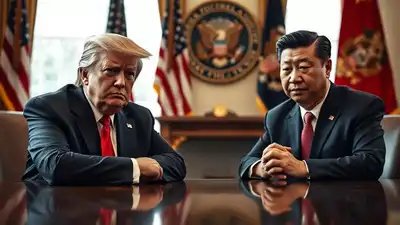
Despite US trade threats under President Donald Trump, Indias exports reached a record trade surplus in 2025. This resilience emphasizes India's move away from dependence on the US and China, yet sustainability remains questionable.
Driven by a 20% increase in exports to $120 billion, especially in electronics and pharmaceuticals, India's trade surplus hit $15 billion in Q1 2025. With a 30% tariff on Mexico and the EU, the US delayed India-specific tariffs, therefore raising Indian exports by 10%. With $10 billion in South Korean and Taiwanese collaborations, India's electronics industry gains from a China+1 strategy. Switzerland's ratification of the India-EFTA treaty pledges $100 billion in investments, hence bolstering trade.
But Trumps tariff comments risk interfering with $50 billion in commerce between India and the US. With VinFast's $500 million plant, Indias EV industry could face export restrictions if tariffs extend. Posts on X question the surpluss lifespan by pointing to worldwide FDI drops. Critics contend that India's 5% EV penetration and poor charging network undermine its export environment. While the governments 10,900 crore PM E-DRIVE initiative seeks to boost EV exports, worldwide supply chain changes—with a 20% cost hike—present dangers.
15% export growth for India and green energy investments, such NLCs 1.25 lakh crore initiative, could help to maintain momentum in ASEAN markets. Critical are the diversification of trade partners and the improvement of local manufacturing.
India's export boom demonstrates how strong the economy is. Keeping this calls for traversing tariff uncertainties and improving local infrastructure for sustained development.
Source:: Times of India
What's Your Reaction?