Over 50 GW of India’s renewable projects are stalled due to grid constraints, legal disputes, and unsigned power deals, threatening the 2030 goal of 500 GW clean energy capacity.
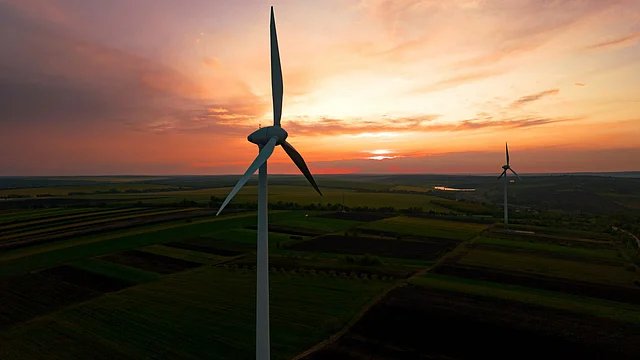
India’s renewable energy projects, exceeding 50 GW, are stalled due to grid constraints, legal disputes, and unsigned power deals, jeopardang the 2030 clean energy target.
India aims to expand its non-fossil fuel capacity to 500 GW by 2030, but over 50 GW of awarded solar and wind projects remain stranded, doubling from 20 GW in nine months. The Sustainable Projects Developers Association reported that incomplete transmission lines, particularly in Rajasthan and Gujarat, have delayed commissioning. Legal and regulatory hurdles, including disputes over land and permits, further stall progress. Major companies like JSW, NTPC, and Adani Green face projects without signed power purchase agreements, leaving billions in investments idle.
The stranded capacity, roughly a quarter of India’s 184.6 GW installed renewable capacity, highlights systemic issues. The absence of firm power supply agreements discourages investment, as developers struggle to secure buyers. Grid infrastructure lags behind the rapid growth of renewable projects, with transmission bottlenecks preventing power delivery. The lack of large-scale battery storage, exacerbated by shortages of critical minerals, hinders balancing intermittent renewable energy, critical for grid stability.
India’s net-zero pledge by 2070 relies on expanding clean energy, but these delays threaten the 500 GW target. The government has introduced schemes to boost transmission and storage, but implementation is slow. Industry experts urge faster grid upgrades and streamlined regulations to unlock stranded projects. Expanding solar-plus-battery systems, like the model in Modhera village, could address storage gaps but requires significant investment in manufacturing.
Efforts to resolve these issues include public-private partnerships to enhance grid capacity and policy reforms to expedite approvals. However, the scale of the challenge demands coordinated action across states and central agencies. Without swift intervention, India risks missing its renewable energy goals, impacting its climate commitments and economic growth.
In conclusion, India’s renewable energy ambitions are hampered by grid delays, legal issues, and unsigned power deals. Addressing these bottlenecks through infrastructure upgrades and policy reforms is crucial to achieving the 2030 target and sustaining the clean energy transition.
Source: Outlook Business
What's Your Reaction?