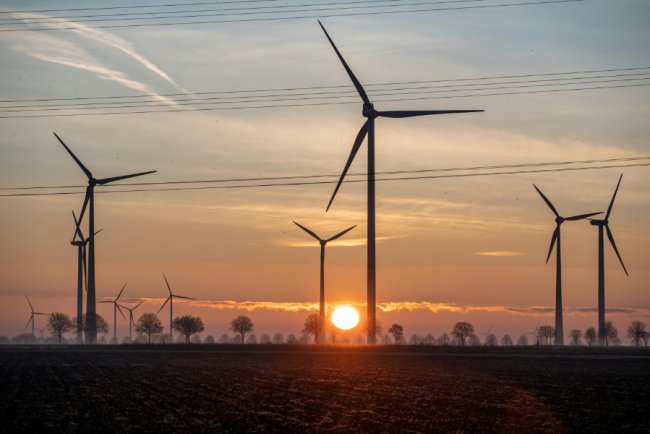
India is expected to exceed 300 GW of non-fossil fuel-based power capacity by September, marking a major milestone in its transition towards cleaner and more sustainable energy.
India is expected to cross the milestone of 300 GW of installed non-fossil fuel-based power capacity by September, marking another significant step in the country's clean energy transition, Union Minister for New and Renewable Energy Pralhad Joshi said. The country's current non-fossil power capacity stands at approximately 291.5 GW, while the government has set a target of achieving 500 GW by 2030.
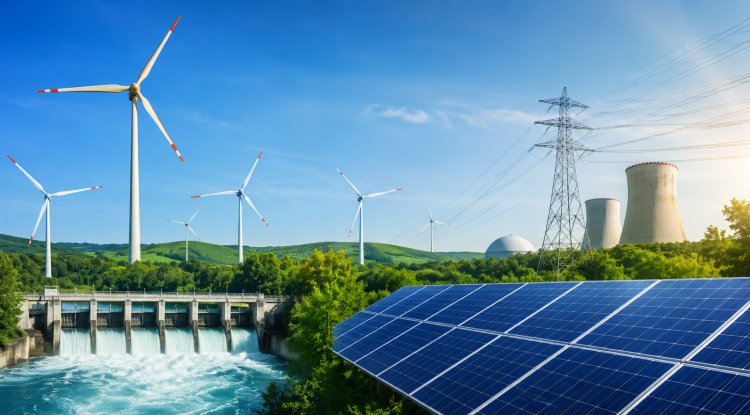
The statement brings into focus India’s fast pace of development in terms of renewable and green energy sources, such as solar energy, wind energy, hydroelectric energy, and nuclear energy. Indeed, India is considered to be the fastest developing market for clean energy, and huge investment projects are being implemented here.
As per Joshi, the anticipated performance will be owing to the momentum that India has generated in terms of its renewable energy installations over the past few years. India has seen a peak in the installation of non-fossil-based power capacities in the most recent financial year due largely to renewable energy projects such as solar and wind power projects. Besides, India has also developed its manufacturing capacity for renewable energy technologies along with improving transmission lines for them.
The milestone is especially crucial at a time when India is trying to find ways of meeting the growing demands of power consumption along with fulfilling its climate targets. Increased urbanisation and industrialization are contributing towards higher energy use, while at the same time, efforts are being made to cut down the use of fossil fuel.
Several environmental advantages may be anticipated from the increased deployment of non-fossil fuels. The increase in renewable energy production may assist in decreasing greenhouse gas emissions, improving air quality, and reducing the use of coal-based electricity generation facilities. It will further contribute to India’s efforts towards attaining zero net emission status by 2070.
Industry experts note that continued investments in solar parks, wind energy projects, battery storage systems and green hydrogen infrastructure will play a crucial role in sustaining this growth trajectory. Wind energy, in particular, is expected to contribute significantly to future capacity additions, with the government targeting 100 GW of wind power capacity by 2030.
The upcoming achievement of 300 GW mark is seen as a sign of how India is fast progressing towards an energy transition that will enable India to have an energy secure future power generation sector.
What's Your Reaction?