A new CEEW report says India's strategic petroleum reserves can cover only 9–10 days of crude imports, underscoring the need to strengthen long-term energy security.
India's strategic petroleum reserves (SPRs) can currently cover only about 9–10 days of the country's net crude oil imports, highlighting the need to strengthen energy security as global geopolitical uncertainties continue to affect oil markets, according to a new report by the Council on Energy, Environment and Water (CEEW).
The report mentions that India is still highly reliant on imported crude, and over 85 percent of the crude imports depend on a few select nations, such as Russia and the important west Asian nations. This dependence makes it vulnerable to any disruption due to geopolitics or even due to a blockade of shipping channels.
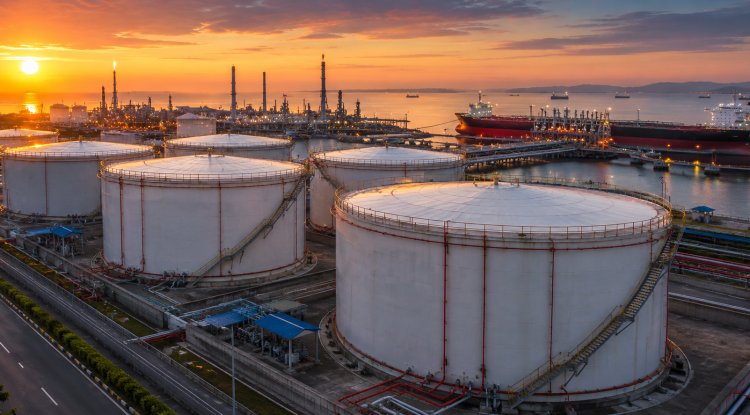
The strategic stock of crude oil is stored by India in Visakhapatnam, Mangalore, and Padur, and their combined storage capacity is 5.33 million metric tonnes. Although this helps India deal with any emergency situation, it must be noted that the strategic stock of crude oil maintained by India is rather small when compared to countries like Japan and South Korea.
The current research is being carried out at a time when volatility in the energy sector is being experienced due to geopolitical conflicts, disruptions in the logistics chain, and shifts in oil prices. A disruption in the flow via important chokepoints such as the Strait of Hormuz would lead to serious implications for fuel prices, logistics, production, and inflation in India.
The report also highlights concerns beyond crude oil. India imports nearly half of its natural gas requirements in the form of LNG and currently lacks dedicated strategic gas storage facilities. This could expose sectors such as fertilisers, industry and city gas distribution networks to supply risks during international disruptions.
According to Hemant Mallya, Fellow at CEEW, "Disruptions in crude oil, LNG, LPG, coal, or key shipping routes can quickly affect cooking costs, transport fuel prices, fertiliser subsidies, industrial competitiveness, and inflation."
In addition to decreasing India’s reliance on imported fossil fuels through the development of its renewable energy sector, it can give rise to a whole set of new dependencies associated with critical minerals and advanced technology. The report suggests enhancing Indian manufacturing capacities, diversifying its supply sources, increasing recycling capacity, and making strategic international alliances.
Mallya said, "India's next phase of energy security must move beyond securing fossil fuels to a clear transition plan: optimising gas system utilisation, avoiding further refinery expansion, accelerating viable EV adoption, electrifying industry, reconfiguring refineries for lower gasoline demand, and building resilient green technology supply chains."
According to energy experts, increased strategic petroleum reserves, adoption of renewable energy, and source diversity will be important for increasing India’s energy security in the future as energy demand increases with economic development.
What's Your Reaction?