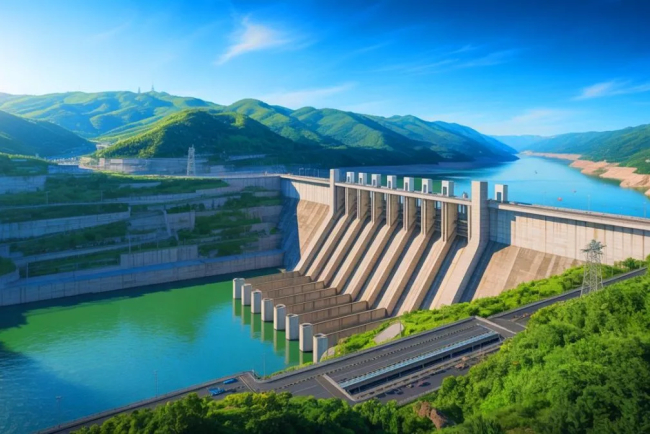
Tamil Nadu has approved 231 new substations worth ₹15,032 crore to strengthen its electricity network, improve reliability and support future economic and renewable energy growth.
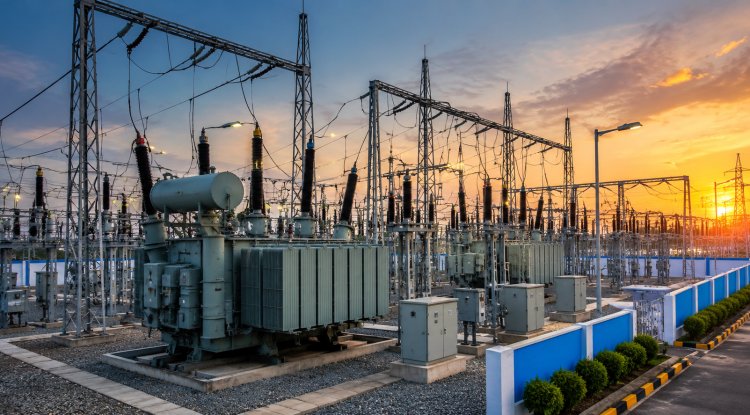
Tamil Nadu has announced a major expansion of its electricity infrastructure, with Chief Minister C. Joseph Vijay directing the construction of 231 new substations across the state at an estimated investment of ₹15,032 crore. The move is aimed at strengthening the power distribution network, reducing outages and preparing the state for future growth in electricity demand.
This decision was taken during a high-level review meeting of the Energy Department, where issues related to the generation, distribution, transmission, and development of electricity were discussed. As per the state government, Tamil Nadu is well supplied with sufficient power generation and power acquisition capacity, which means that there is no electricity shortage in Tamil Nadu as a whole. Nevertheless, power shortages are still being experienced by some cities as a result of the following reasons.
Along with the existing plans for setting up of 121 new and improved substations, which has already attracted investments of more than ₹10,000 crore, there will be construction of 231 new substations as a part of the infrastructural developments. The creation of the additional facilities will result in enhanced grid reliability and reduced transmission losses.
The Chief Minister also ordered the recruitment of 15,058 electricity workers to address power-related complaints and speed up maintenance and repair work across the state. Officials have been directed to procure electrical equipment immediately and strengthen field-level monitoring to ensure quicker response times during outages.
This investment will come at a time when there is fast-growing industry, urbanization, and an increase in electricity usage in Tamil Nadu. The state is considered among the most industrialized states in India because it has a number of automobile, electronics, textiles, and renewable energy plants that require constant supply of electricity.
According to experts on energy, one major function of the substations is to ensure that there is stability of the grid since they control the level of voltage. With increased substations, technical losses will be minimized, while power quality improved. There will also be enough room for renewable energy projects to be incorporated into the grid system.
A modernized power grid will not only make sense from an environmental point of view, but it will be beneficial for Tamil Nadu’s clean energy plans. Tamil Nadu is one of India’s frontrunners in generating renewable energy from wind and solar sources. A better transmission grid system will ensure that more renewable energy can be incorporated into the power system.The government has stated that alongside infrastructure upgrades, efforts are underway to meet future electricity demand through renewable energy projects, battery energy storage systems and new power generation facilities. The latest substation expansion programme is expected to play a key role in ensuring reliable electricity supply while supporting Tamil Nadu's long-term economic and energy goals.
What's Your Reaction?