A Transport & Environment analysis finds rising oil prices linked to the Iran conflict could increase petrol vehicle operating costs significantly more than electric vehicle charging costs.
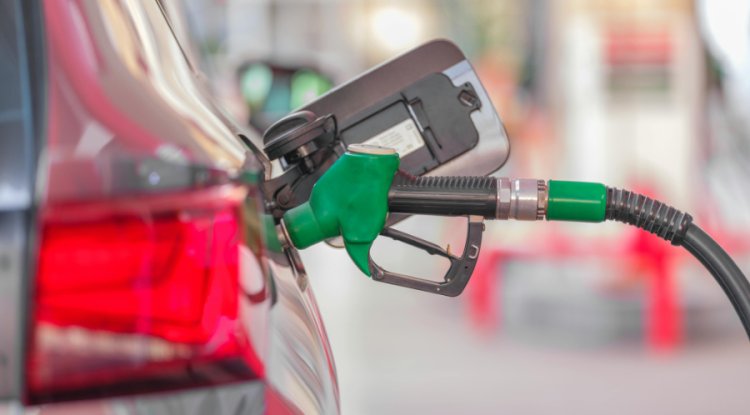
Rising tensions involving Iran could lead to a sharp increase in fuel costs for petrol vehicle owners, while electric vehicle (EV) users are likely to face a smaller increase in charging expenses, according to analysis by Transport & Environment (T&E).
The study estimates that if oil prices exceed $100 per barrel, the cost of driving a petrol car would rise to €14.20 per 100 kilometres, an increase of €3.80. For electric vehicles, charging costs would increase by €0.70 to €6.50 per 100 kilometres.
The findings underscore the impact of global oil market fluctuations on transport costs. Petrol prices are closely tied to crude oil prices, making motorists vulnerable to geopolitical events that disrupt supply chains or affect energy markets.
According to T&E, businesses operating company vehicles could also face higher expenses. The analysis estimates that each petrol-powered company car would cost an additional €89 per month to operate under the higher oil-price scenario. For EVs, the additional monthly cost would be around €16.
The report also highlights Europe's continued reliance on imported oil. In 2025, the European Union imported about one billion barrels of oil for transport fuel for €67 billion, according to T&E.
At the same time, electric vehicles already on European roads reduced demand for imported oil. The organisation estimates that roughly 8 million EVs across the bloc avoided using 46 million barrels of oil last year, equivalent to about €2.9 billion in avoided imports.
This analysis is being made in the midst of ongoing discussions by European policymakers regarding vehicle emission regulation and targets for vehicle electrification. According to T&E, any further delay or any relaxation of existing emission norms could only prolong the dependence on oil imports and make consumers vulnerable to higher prices of fuel in the future.
T&E has also pointed out that prices of electric cars have fallen due to the increased availability of electric car models in various European countries.
The analysis has taken into account the economic implications of oil-price volatility rather than environmental ones. It has been found that the volatility of oil prices has an impact on the operating expenses of gas-powered vehicles rather than those of electric vehicles.
As uncertainty in energy markets continues, transport costs are likely to remain closely linked to developments in global oil-producing regions. The analysis indicates that the financial impact of future oil-price shocks may vary considerably depending on the type of vehicle being driven.
What's Your Reaction?