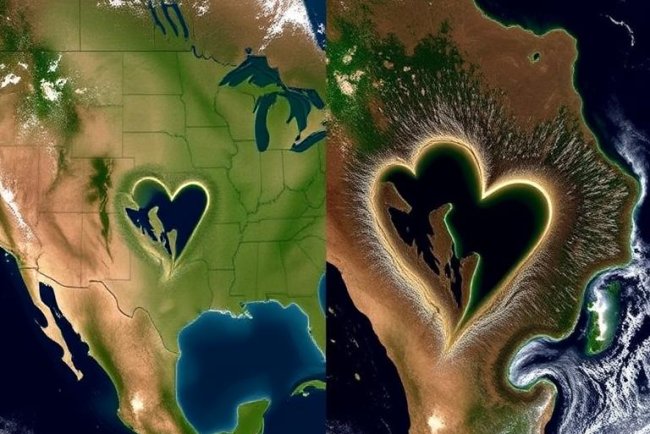
Researchers found that temperature changes in the Atlantic and Indian oceans influence soil moisture levels in Malawi, affecting year-to-year variations in malaria cases.
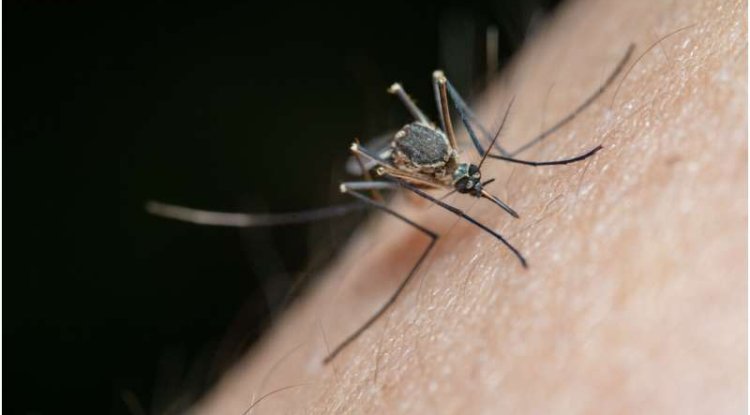
Recent findings reveal a connection between temperature variability in the tropical Atlantic and Indian Oceans and annual variations in cases of malaria in Malawi, which could be a valuable resource for more accurate disease predictions for scientists.
As reported by Communications Medicine, the study evaluated data on malaria cases over a period of 20 years and compared it with global climate information. It was determined that the change in temperatures of the oceans is responsible for the change in weather in the southern part of Africa, which leads to changes in the soil moisture in Malawi. According to the findings, soil moisture is a better predictor of malaria risk than just rainfall.
Two different climatic patterns were distinguished by researchers. The increase in temperature of the tropical Atlantic Ocean caused an increase in rainfall and higher temperatures in Malawi. Such conditions result in higher soil moisture, which creates optimal breeding and survival conditions for mosquitoes. Consequently, the number of cases of malaria increases.
On the other hand, higher temperatures of the Indian Ocean led to higher temperatures and unsuitable soil moisture in Malawi. Lower soil moisture results in a lack of breeding grounds for mosquitoes.
Soil moisture may be considered a crucial link between large-scale climate conditions and local outbreaks of the disease. Although rainfall has previously been used as an indicator of malaria risks, it has become clear that soil moisture provides more comprehensive information, as it also accounts for the retention of water in the area after rainfall.
Malaria is still one of the major infectious diseases of the country, and the number of cases reaches millions per year. Since malaria is transmitted by mosquitoes, environmental conditions play a critical role in the transmission of the disease.
In their study, the scientists analyzed 20 years' worth of climate and health records in order to define the factors that are most closely associated with the variation in malaria. According to the results of the analysis, monitoring of ocean temperatures may help in detecting the conditions that favor more or less intense outbreaks of the disease.
At the same time, the study may also be relevant for future disease planning, as climate predictions suggest a decrease in soil moisture in Malawi at the end of the century. Soil moisture changes may influence the development of malaria transmission in the future.
The authors said the study demonstrates the value of combining climate science, epidemiology, and environmental research to better understand disease risks. They argue that identifying the climate drivers behind malaria outbreaks could support the development of more reliable early warning systems for communities vulnerable to the disease.
What's Your Reaction?