Remote No More: Mercury Pollution Found in Antarctic Penguins
Rutgers University researchers have discovered varying levels of mercury contamination in penguins of the Southern Ocean, linking exposure to migration patterns and foraging location. The study shows how pollutants travel globally and impact marine wildlife in remote regions.
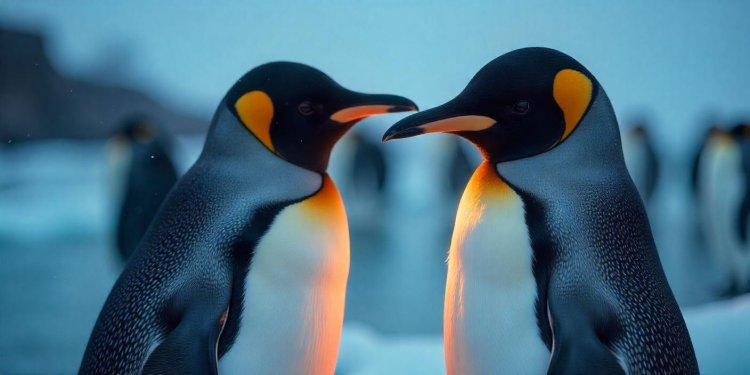
New research at Rutgers University–New Brunswick has revealed mercury contamination in penguins from the far-off Southern Ocean, shedding critical insights into how global pollution affects ocean life. The research, published in Science of the Total Environment, examined mercury levels in the feathers of three penguin species—Adelie, gentoo, and chinstrap—collected on Anvers Island in the West Antarctic Peninsula. The research suggests that even without local human activity or industrial pollution, long-range atmospheric transport is facilitating poisonous mercury to accumulate in sea creatures at the remotest points on the Earth.
Mercury is a well-documented neurotoxin that bioaccumulates in animals through the food web, especially in aquatic systems. It causes extreme health damage, such as reproductive damage and neurologic injury. In this study, penguin feathers collected during the 2010–11 breeding season were analyzed for mercury, carbon-13, and nitrogen-15 isotopes, which are indicators of foraging location and position in the food web, respectively. The researchers also recorded the krill size, a primary component of these penguins' diet, to include additional ecological information.
The results showed varying amounts of mercury among the three species of penguins. Adelie and gentoo penguins had one of the lowest rates of mercury levels ever recorded among penguins in the Southern Ocean. Chinstrap penguins, however, indicated significantly higher rates of mercury. The scientists credited this difference to the migratory patterns of the penguins. While Adelie and gentoo penguins remain further south throughout the year, chinstrap penguins migrate to lower latitudes during nonbreeding seasons, placing them in regions where the level of mercury in the environment is higher.
Carbon-13 levels were similarly discovered to be closely correlated with mercury accumulation, meaning that the site of foraging is a major determinant of exposure levels. Carbon-13 was shown here for the first time to be a superior predictor of mercury concentration to nitrogen-15 in penguins. The research contributes to the general effort to understand movement and impact of mercury in aquatic systems and underscores the vulnerability of species that are based on migratory feeding behavior.
Whereas global mercury releases have decreased over the past few years due to environmental efforts such as the Minamata Convention, ratified by over 140 countries in 2013, mercury sources such as small-scale gold mining continue to release massive amounts into the environment. Continuing pollution, combined with the reality that some marine animals migrate, continues to supply challenges to food safety and biodiversity.
The study provides a baseline to track future changes in the level of mercury in Antarctic ecosystems. It also calls for international cooperation in monitoring and reducing mercury pollution. By understanding how migratory patterns influence contaminant exposure, scientists can better forecast ecological risk and create conservation strategies to protect threatened populations.
Information yielded by the research not only aids in the detection of environmental contamination but also augments knowledge regarding penguin ecology, including dietary habits and penguin migration routes. The research helps in the development of insight on how toxins like mercury are able to circulate across the globe, including areas far removed from industrial activity. As climate patterns shift and human endeavors continue to ensue, the study points to the importance of sustained monitoring and global coordination in averting the dispersion of toxic pollutants into marine ecosystems.
Source/Credits:
Greg Bruno, Rutgers University | Published in Science of the Total Environment (DOI: 10.1016/j.scitotenv.2024.175154)
What's Your Reaction?