Theion raises €15 million to develop cost-effective, sustainable sulfur-based batteries for various applications.
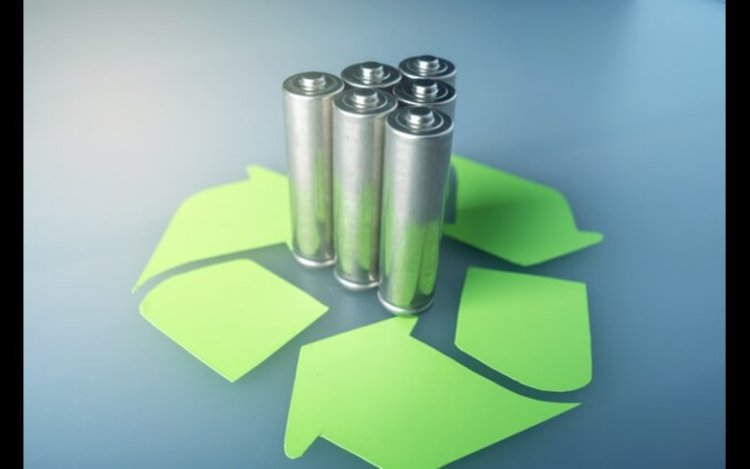
Berlin battery tech startup Theion has raised €15 million (USD $16.2 million) in a Series A round. The new capital will be used to further develop its novel battery technology, which provides a lower-carbon replacement for traditional lithium-ion batteries while improving energy storage and efficiency.
Established in 2020, Theion is leading the way with the creation of crystal batteries for applications in mobile, portable, and stationary energy storage. Theion is utilizing sulfur, a readily available and upcycled waste product, to develop a new generation of batteries for electric vehicles, aircraft, and grid-scale energy storage. Through the use of sulfur in place of nickel and cobalt—both of which are costly and ecologically difficult to extract—Theion hopes to transform battery technology with a cheap and environmentally friendly solution.
The company states that its sulfur-based batteries can outperform conventional lithium-ion batteries on several fronts. Theion asserts that its technology has the ability to cut battery prices by two-thirds, minimize carbon footprint by the same margin, and provide three times more energy density than traditional options. All these advancements have the potential to drive substantial innovations in electric mobility and energy storage and further bring sustainable electrification within reach and at scale.
Theion specifically targets strategic markets that need high-energy-density, lightweight batteries, like electric aerospace and aviation. The crystal sulfur battery's specific properties position it well for use in applications like electric vertical takeoff and landing aircraft (eVTOLs), fixed-wing aircraft, and satellites. The technology is also likely to apply to electric vehicles and large-scale stationary energy storage solutions.
Dr. Ulrich Ehmes, Theion CEO, underlined the firm's mission to make Europe a leader in clean energy storage. He pointed out the potential of crystal sulfur batteries to make electric flights carbon-neutral, increase the driving range of electric cars, and improve efficiency in energy storage systems. Though admitting that development is still necessary, he is sure that the firm's technology will be key to revolutionizing the energy sector.
Demand for batteries by industry is set to triple by 2030, fueled by growth in the electric vehicle market. Theion views its technology for sulfur-based batteries as an enabling technology for Europe's transition, enabling Germany and the wider region to be at the forefront of battery technology. The transition to alternative sulfur-based chemistries away from conventional lithium-ion chemistry would greatly help alleviate reliance on expensive and environmentally destructive raw materials, ensuring a more secure and sustainable supply chain.
The Series A funding round was led by Team Global, a technology investment firm, with participation from Geschwister Oetker Beteiligungen and Enpal. Investors were optimistic about Theion's ability to shake up the battery market and drive faster adoption of safer, greener energy storage systems.
Lukasz Gadowski, founder and CEO of Team Global, characterized Theion's crystal battery technology as a mobility and stationary energy storage game-changer. He noted its ability to lower costs for the automotive industry while being an important driver of electrified aviation. Gadowski opines that Theion is leading the charge in a technological revolution that will transform the way energy is stored and used, ushering in a cleaner and more efficient future.
With this new investment, Theion is well-positioned to further its research and development activities, advancing its innovative battery technology toward commercialization. As the globe transitions towards increased electrification and decarbonization, the company's sulfur-based batteries are poised to contribute significantly to defining the future of sustainable energy storage on land, in the skies, and on the seas.
What's Your Reaction?