LanzaJet will launch a sustainable aviation fuel (SAF) plant in Georgia, USA, in September 2025, producing 10 million gallons annually using ethanol-based Alcohol-to-Jet (AtJ) technology that cuts emissions by 70%. Backed by Airbus, Qantas, and Jet Zero Australia, the plant supports global SAF adoption, with India targeting 10 million tonnes by 2030. However, SAF’s high cost ($4–6/gallon vs. $2 fossil fuel), limited ethanol feedstock, and infrastructure gaps—only 50 SAF-ready airports—slow scaling. India’s ethanol surplus and green subsidies offer regional promise, but regulatory and tech investments remain vital.
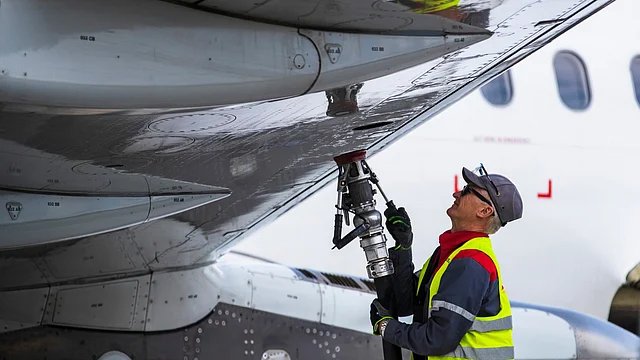
LanzaJet’s sustainable aviation fuel (SAF) plant, launching in September 2025, aims to produce 10 million gallons annually, advancing decarbonisation in aviation. While a milestone for green energy, scaling SAF faces feedstock and cost challenges.
The Georgia, USA-based plant uses LanzaJet’s Alcohol-to-Jet (AtJ) technology to convert ethanol from waste and low-carbon sources into SAF, reducing emissions by 70% compared to conventional jet fuel. Partnerships with Jet Zero Australia, Airbus, and Qantas support similar projects globally, with Australia’s abundant feedstocks like sugarcane offering potential. The plant aligns with the B20’s focus on biofuels, targeting 10 million tonnes of SAF in India by 2030. Aviation, contributing 2% of global emissions, needs SAF to meet net-zero 2050 goals.
High production costs, at $4–6 per gallon versus $2 for fossil fuel, limit adoption. Feedstock availability, with only 20% of global ethanol suitable for SAF, poses supply risks. Posts on X highlight optimism for SAF but note infrastructure gaps, with only 50 SAF-compatible airports globally. Critics argue that land-intensive feedstocks could compete with food production, as seen in India’s fertiliser debates. India’s SAF push, backed by ₹1.91 lakh crore in green subsidies, requires $5 billion to scale production.
LanzaJet’s partnerships and India’s ethanol surplus, at 4 billion litres annually, could drive regional growth. However, regulatory support and investments in waste-to-ethanol tech, like LanzaTech’s, are critical to lower costs and ensure sustainability.
LanzaJet’s plant is a leap towards sustainable aviation. Overcoming feedstock and cost barriers is essential for India and the world to scale SAF effectively.
Source: Outlook Business
What's Your Reaction?