Eco-Breakthrough: Dirty Water Becomes a Source for Green Hydrogen
A groundbreaking technology enables electrolyzers to produce green hydrogen using dirty water, eliminating the need for scarce purified water and supporting clean energy goals. With 95% efficiency, this innovation can reduce water usage by 30% and lower hydrogen production costs by 15%. For water-stressed countries like India—aiming for 5 million tons of annual green hydrogen production by 2030—this development is crucial. Despite challenges in infrastructure and high costs, the technology aligns with global net-zero targets and offers sustainable solutions for industrial decarbonization and energy security.
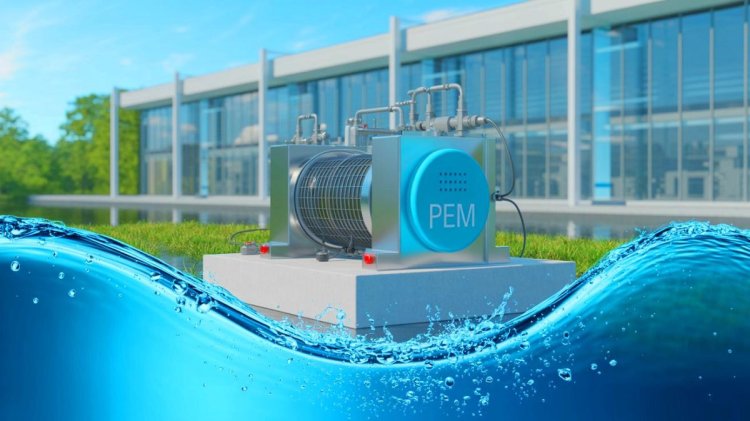
A new technology allows electrolyzers to produce hydrogen using dirty water, eliminating the need for scarce pure water sources. This breakthrough supports clean energy production, reducing emissions in hard-to-abate sectors like steel and shipping. With global hydrogen demand projected to reach 150 million tons by 2030, the technology could accelerate India’s green hydrogen goals. Challenges include high production costs and infrastructure needs, but the innovation aligns with net-zero targets, offering a sustainable energy solution for water-stressed regions.
Traditional hydrogen production relies on pure water, which is scarce in regions like India, where 18% of the population faces water stress. The new electrolyzer technology uses wastewater, seawater, or polluted water, producing hydrogen with 95% efficiency. This reduces water demand by 30%, making hydrogen production viable in arid areas. India’s National Green Hydrogen Mission aims for 5 million tons of annual production by 2030, supporting steel and fertilizer industries. The technology could cut costs by 15%, as purifying water accounts for 10% of traditional hydrogen production expenses.
The process involves advanced membranes that filter impurities, allowing electrolyzers to operate with low-quality water. This produces green hydrogen using renewable energy, emitting no carbon. Globally, hydrogen could replace 10% of fossil fuels in industry by 2050, supporting the Paris Agreement’s 1.5°C target. In India, where industrial emissions contribute 30% of CO2, green hydrogen is critical. Pilot projects in Gujarat, using solar-powered electrolyzers, show promise, but scaling requires $10 billion in investment. Public-private partnerships, like India-UAE energy collaborations, could drive progress.
Economic benefits include job creation and energy security. Hydrogen production could create 50,000 jobs in India by 2030, particularly in renewable-rich states like Rajasthan. Reducing reliance on imported fossil fuels saves $5 billion annually. However, high electrolyzer costs, at $800 per kW, and limited grid capacity pose challenges. The weaker US dollar in 2025 increases import costs for equipment, requiring local manufacturing. India’s PLI scheme for green hydrogen aims to localize production, but progress is slow due to technological complexity.
Environmental benefits are significant. Green hydrogen reduces emissions in steel production, which accounts for 7% of global CO2. In India, replacing coal-based steel with hydrogen could cut emissions by 20%. The technology’s use of dirty water addresses water scarcity, a growing issue as climate change reduces freshwater availability. In Toronto, water management supports urban greening, offering a model for India. Community awareness is needed to integrate wastewater treatment with hydrogen production, ensuring environmental and social benefits.
Challenges include infrastructure and policy gaps. India’s hydrogen ecosystem requires pipelines and storage facilities, costing $50 billion by 2030. Regulatory frameworks for wastewater use in energy production are underdeveloped. Globally, countries like Germany, with advanced hydrogen strategies, offer lessons. India’s collaboration with international partners can accelerate technology adoption, but geopolitical tensions may limit access to advanced electrolyzers. The government’s $2 billion hydrogen subsidy aims to bridge these gaps, but implementation is critical.
Social impacts include improved access to clean energy in rural areas. Hydrogen-powered microgrids can electrify remote regions, supporting India’s universal electricity goal. However, communities near production sites need protection from potential leaks, as hydrogen is flammable. Public engagement, as seen in US landfill protests, can ensure safety. India’s experience with Ujjwala’s LPG rollout offers a model for community-driven energy transitions, ensuring equitable benefits.
The dirty water hydrogen technology is a breakthrough for sustainable energy. India’s adoption could drive green hydrogen production, reduce emissions, and address water scarcity. Investment, infrastructure, and policy support are essential to scale this solution, aligning with global climate goals.
Source :Sustainability Times
What's Your Reaction?