Corporate Biodiversity Projects Driving Rural Growth
India’s rich biodiversity is under threat, impacting not just nature but also the economy. Learn how businesses — even beyond agriculture — are being affected, and how corporate involvement in rural biodiversity initiatives can drive long-term sustainability and community resilience.
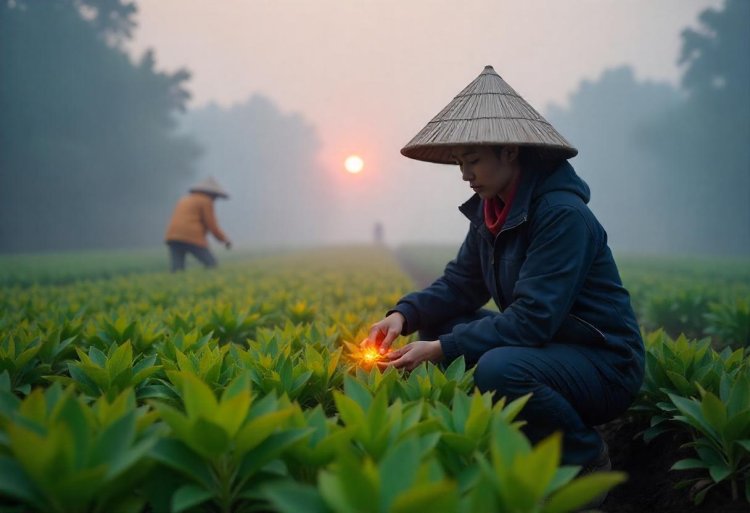
Approximately 7–8% of all known species are found in India, one of the most diverse countries on Earth. The country’s 45,000 plant and 91,000 animal species are currently threatened by a number of factors, including overexploitation, invasive species, habitat loss, and climate change. The forest cover is disappearing at a startling rate of 38,000 hectares per year, and wetlands and marine ecosystems are severely degraded.
According to the World Economic Forum, nature and its services account for more than half of global GDP, or over $4 trillion of economic value generation. In rural areas, where livelihoods are intrinsically linked to natural resources, that dependence is even stronger.
How does biodiversity loss affect your company?
Many people think that loss of biodiversity only happens in industries like mining, forestry, and agriculture. However, many businesses in other fields may also be at risk. The need for fresh water, arable land, and pollinators, along with the reputational, financial, and legal consequences of harming nature, is leading stakeholders – from communities to investors – to demand greater accountability. In rural areas, where businesses are often part of fragile ecosystems, losing the trust of local stakeholders can have long-lasting effects on long-term growth and sustainability.
Climate change and biodiversity loss have many of the same systemic business risk characteristics. Both have irreversible tipping points and pose significant physical and disruption risks to businesses and economies. Not only do ecosystems such as forests, mangroves, and coral reefs serve as carbon sinks, but they also provide resilience against major climate threats including flooding and coastal erosion. Unlike the effects of climate change, however, biodiversity is more location-specific and harder to quantify. Though climate change is well recognised today as a financial risk, biodiversity is still catching up on this curve.
How corporates can support biodiversity in rural areas
1. Driving Awareness & Education
More and more, corporates across India are shifting towards enabling environmental and community wellbeing. To truly make a difference though, they must go beyond one-time interventions and become vehicles for holistic rural development. This begins with education and awareness. A first step can include empowering rural communities to understand the critical significance of biodiversity, followed by equipping youth with green skills in areas like ecotourism, regenerative farming, and biodiversity monitoring.
2. Rejuvenation & Renewable Energy Projects
The creation of seed banks, pollinator corridors, or medicinal plant gardens can evolve into revenue-generating restoration and rejuvenation enterprises that benefit both the land and livelihood. Of equal importance is the need to invest in renewable energy. This ensures that rural development is both sustainable and decoupled from further environmental degradation.
3. Partnering with Local Communities & Bodies
Above all, these efforts must be undertaken in collaboration with local communities, as well as government and administrative bodies. Only 33% of corporate biodiversity initiatives currently do so, according to WWF. Ultimately, biodiversity initiatives should not be defined solely by corporates but co-created with communities. When done with integrity, these efforts can revive degraded ecosystems, restore dignity to rural livelihoods, and prevent rural-to-urban migration by offering future-proof skills and opportunities.
Local involvement enhances the effectiveness of fostering systemic change and improving accountability. The key to successful efforts is understanding that environmental issues are best addressed when all concerned citizens at every level is involved. Harnessing the strength of our communities and partnerships ensures that we building a solid future for the generations to come.
What's Your Reaction?